Introduction
The fastener manufacturing industry is evolving at breakneck speed. By 2026, the global demand for high-quality, precision-engineered fasteners will continue to surge. Yet, for factory owners and procurement managers, this demand comes with increasing production challenges—notably escalating labor costs, energy prices, and the need for space efficiency in tightly packed facilities. The traditional reliance on multi-stage production lines with separate machines for headings, trimming, and threading is no longer sustainable for competitive manufacturers.
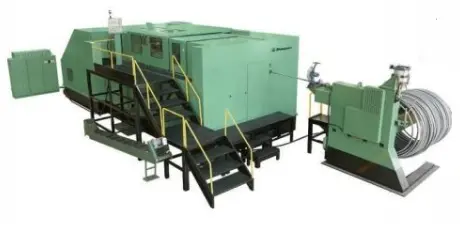
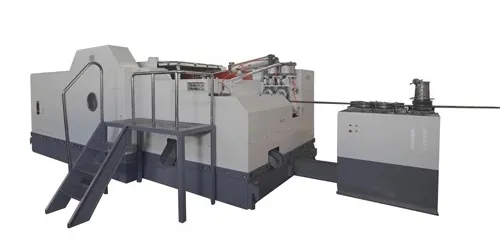
Enter the integrated bolt forming machine, a single-piece flow solution that revolutionizes fastener production. These advanced machines transform raw wire into finished bolts in one streamlined process, efficiently managing operations from heading to threading. The result? Dramatically improved labor and energy efficiency, reduced waste, and maximized ROI.
For factory owners navigating the capital expenditure (CAPEX) landscape, a shift to an integrated bolt forming machine is no longer a nice-to-have—it’s a necessity.
From Raw Wire to Finished Fastener: The Evolution of the Integrated Cycle
The cold heading process has come a long way since its manual beginnings.
Historical Context: From Manual to Multi-Stage Machinery
In the mid-20th century, bolt manufacturing relied on labor-intensive methods like hand-fed headers, which were prone to human error and low throughput. Over time, technology introduced multi-stage production lines made up of separate machines for heading, trimming, and threading. While this revolutionized output at the time, these systems featured multiple stages of material transfer and required significant factory floor space, energy consumption, and labor.
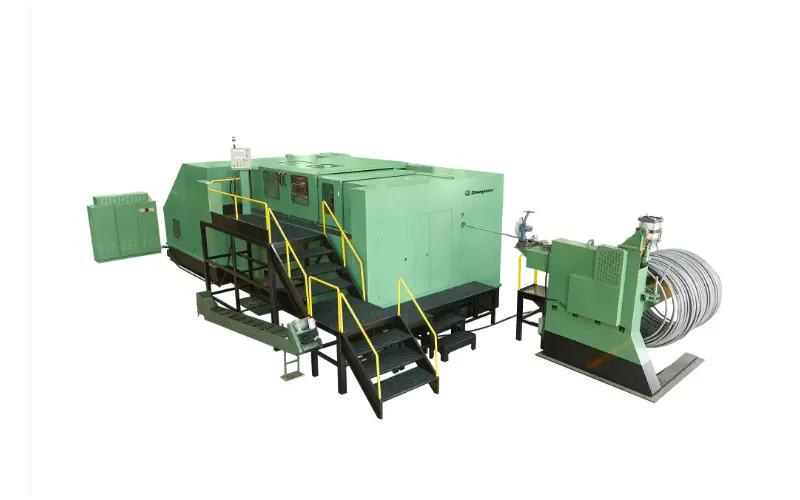
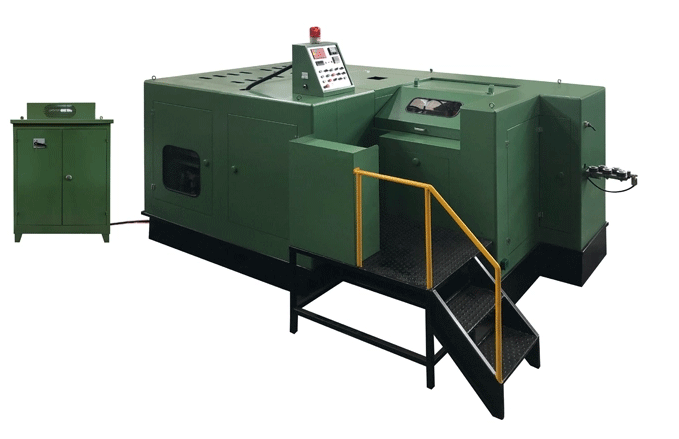
Today, leading manufacturers like Boyu Cold Header are rewriting the script by offering multi-station bolt forming machines that achieve single-piece flow, delivering finished fasteners in one fully-integrated process.
The New Age of Cold Forging: Integrated Machine Benefits
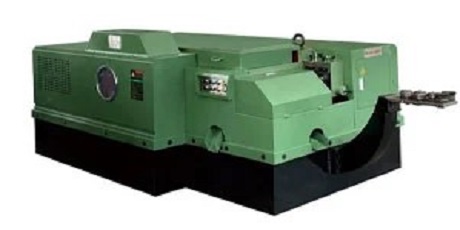
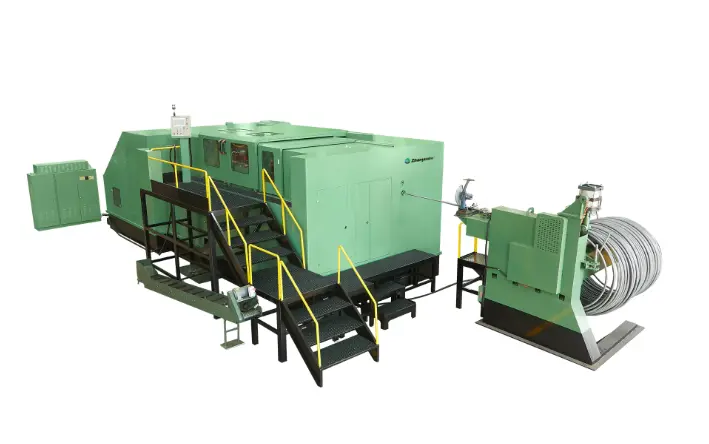
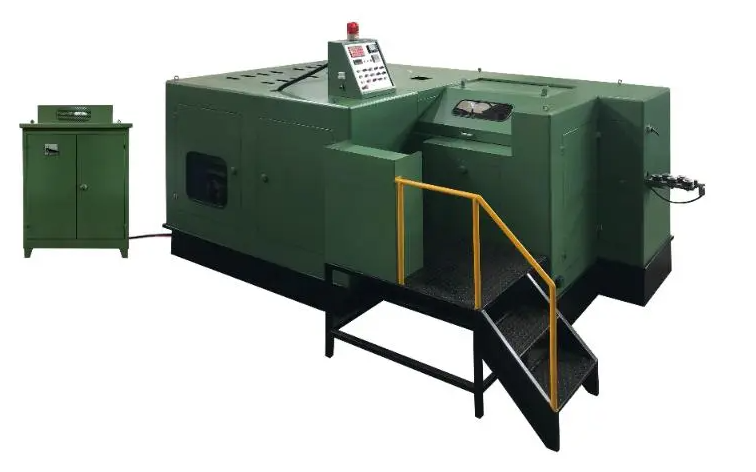
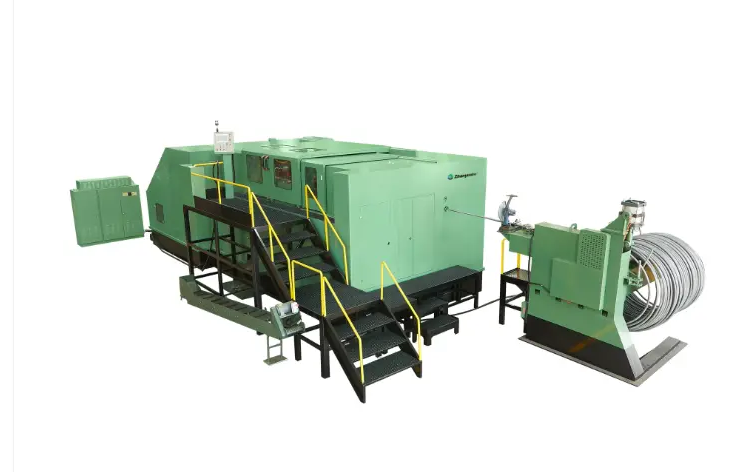
At the core of an all-in-one bolt header machine for sale is its ability to seamlessly perform heading, shaping, trimming, and even threading functions in one cycle. This shift to integration offers compelling benefits:
One motor, one cooling system: A single powertrain drives multiple stages, optimizing energy use.
Simplified operation: An all-in-one system requires only one operator, cutting down on labor.
Complete consistency: Single workflow minimizes transfer-related quality deviations.
In a 2026 world where factory floor space and operational efficiency come at a premium, the integrated cycle is more than a trend—it's the standard for competitive advantage.
Five Reasons Modern Factories are Sourcing Bolt Forming Machines Over Separated Lines
1. Drastic Reduction in Labor Intensity
Gone are the days of a manual handoff between separate trimming, heading, and threading machines. Integrated cold forming centers drastically reduce transfer points, meaning less room for human error and essentially zero supervision required. With automation capabilities built-in, these machines improve productivity while minimizing labor challenges—critical in a market with rising wages and shrinking talent pools in key manufacturing regions.
2. Superior Material Grain Integrity
Fastener strength depends on maintaining uniform grain flow in the metal during forging. By embedding all manufacturing steps into a single machine, integrated systems control the deformation process from start to finish. This results in high-performing bolts with consistent tensile strength, critical for applications in automotive, construction, and aerospace industries.
3. The "Smart-Factory" Advantage
Today’s Industry 4.0 revolution has paved the way for smarter manufacturing. Integrated bolt forming machines align perfectly with this vision, offering:
Sensor-driven data collection on die performance, machine productivity, and predictive maintenance.
Real-time monitoring to minimize downtime and fine-tune production settings.
Efficient synchronization of multistation operations, eliminating bottlenecks common in fragmented production setups.
4. Waste Minimization
Separate production lines typically involve transferring materials between steps, resulting in excess scrap material and unfinished or defective products. Integrated systems optimize output and minimize the "ends," material wastage, and finished product rejections through precise, automated control.
5. 24/7 Production Capability
Capable of running continuous processes, modern bolt header machines are designed to support fasteners in industries like automotive, aerospace, construction, and renewable energy, where demand can go uninterrupted. With unrelenting high-speed production, a single integrated system can replace several legacy machines.
Navigating the Market: How to Evaluate a "Bolt Header Machine for Sale" in 2026
Purchasing capital equipment for your manufacturing plant is a complex decision. Beyond cost, consider the following critical factors when evaluating bolt header machines for sale:
Die-Cooling Technology: Machines with advanced cooling systems extend die life and bolster uptime performance during high-volume production.
Motor Reliability: Look for reliable motor options such as Variable Frequency Drives (VFDs) to optimize energy usage while reducing wear-and-tear.
Frame Rigidity: Machines with superior vibration resistance improve part quality and prolong machine longevity.
Maintenance Advantages: Centralized lubrication systems simplify maintenance and reduce the operational costs associated with separate machines.
Vendor Support: Beware of cheaper third-party resellers. Established manufacturers like Boyu Cold Header offer better warranties, technical training, and faster access to replacement components.
For purchasers, peace of mind comes not just from the equipment’s specs but from choosing a trusted, experienced partner like Boyu.
Case Study: 3-Station Line vs. All-in-One Production
Let’s compare two scenarios in a production line with a monthly output of 600,000 high-tensile bolts:
| Feature | 3-Station Line | All-in-One Bolt Forming Machine |
| Labor Required | 3 Operators | 1 Operator |
| Floor Space Occupied | 150 sq. meters | 60 sq. meters |
| Scrap Material Generation | ~6% | ~2% |
| Production Speed | 120 bolts/min | 200 bolts/min |
| ROI Timeline | 6–7 years | 14–18 months |
With reduced labor intensity, less material waste, and higher throughput, early adopters of integrated solutions are reporting 44% higher profit margins within the first five years of implementation.
Conclusion: Investing in Scalability
The future of fastener manufacturing demands more from less—less floor space, less energy consumption, and fewer inefficiencies, but higher output and better-quality control. Choosing an integrated bolt forming machine from a reliable, cutting-edge bolt forming machine manufacturer like Boyu is not merely an equipment purchase—it’s an investment in your factory’s scalability and competitiveness for years to come.
Featured Expert Resource:
Comparison Chart: Integrated Bolt Forming Machine vs. Legacy Multi-Stage Production
| Feature | Integrated Machine | Legacy Equipment |
| Labor Efficiency | High (1 operator) | Low (multiple operators needed) |
| Space Utilization | Compact | Extensive |
| Die Change Time | ~5 minutes | ~25 minutes |
| Energy Consumption | Optimized | High—due to redundancy in motors |
| Speed | 100–200+ bolts/min | 50–120 bolts/min |
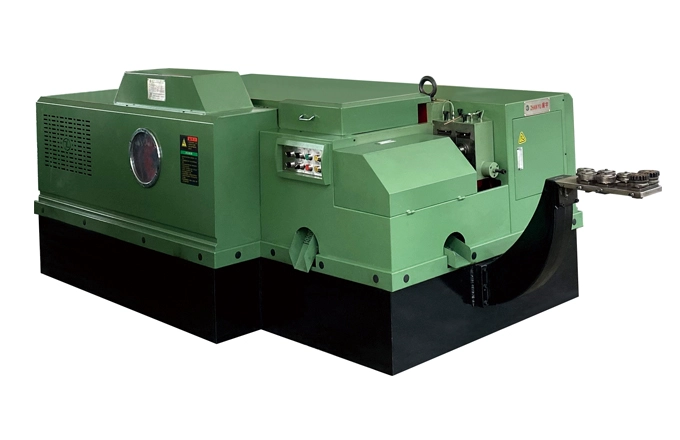
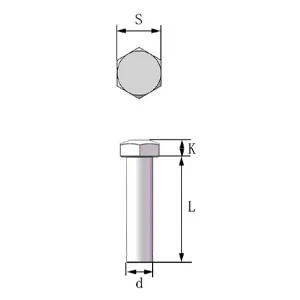
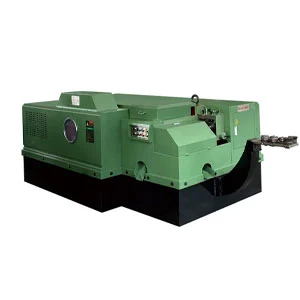
 Bolt Cold Heading MachineThe bolt cold heading machine can meet various bolt requirements. It can produce cold-headed bolts with a head width across flats (S) of 9-58mm, a tail diameter (d) of 6-38mm, and a total length (S+L) of 6-500mm, at a production speed of 50-300 pieces per minute.
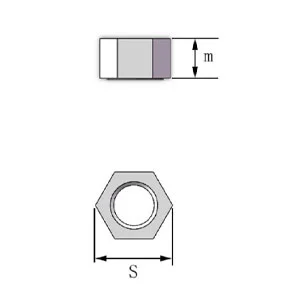
 Parts FormerParts former can meet the requirements for various non-ferrous metal products suitable for cold heading. The maximum outer diameter (S) of the products can reach 8-70mm, and the length (H) can reach 8-500mm, with a production speed of 50-300 pieces per minute.
(1).webp "Parts Former")

 English