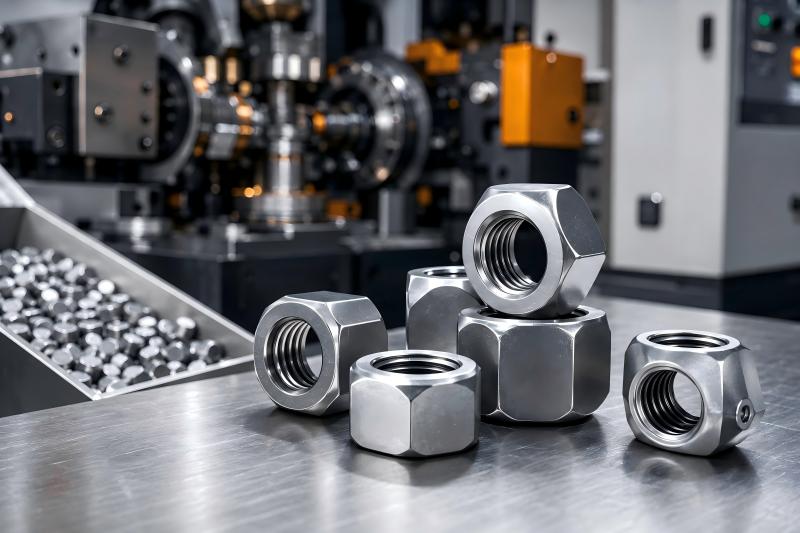
Factories producing standard hex nuts in 2026 are competing in one of the most price-compressed segments in fastener manufacturing. Wire cost, energy, and labor are largely fixed, and the buyers on the other side of the table know exactly what the market price is. Winning on price alone is not a sustainable strategy—and for plant managers who have watched margins erode year after year on standard nut production, the question is no longer how to produce standard parts more cheaply, but how to produce parts that competitors cannot easily match.
The answer lies in capability expansion. A multi-station nuts and bolts making machine that can form sleeves, hollow components, and special-shaped nuts gives a factory access to product categories where geometry complexity—not just price—determines who gets the order. A nut cold forming machine with the right station layout and tooling design produces these non-standard parts through progressive deformation steps in a single automated cycle, often with better material utilization and lower unit cost than machining alternatives. The result is a broader product catalog, higher-margin OEM relationships, and a more defensible competitive position.
This guide covers how multi-station cold forming works for complex nut and sleeve geometries, what product categories it unlocks, the specifications that determine machine capability, and the TCO model that makes the investment case.
How a Multi-Station Nut Cold Forming Machine Works
The capability difference between a standard nut former and a multi-station cold forming machine is not a speed difference—it is a geometric complexity difference rooted in how many controlled deformation steps can be applied to the blank in a single machine cycle.
Progressive Forming: More Steps, More Geometry
In a single-station or two-station nut former, the blank is formed in one or two hits. This is efficient for standard hex nuts where the geometry is simple and the forming steps are minimal. But when the target part requires a hollow feature, a stepped outer profile, a thin wall, or a combination of head and body geometry that cannot be developed in two hits without over-stressing the material, a single-station machine reaches its limit.
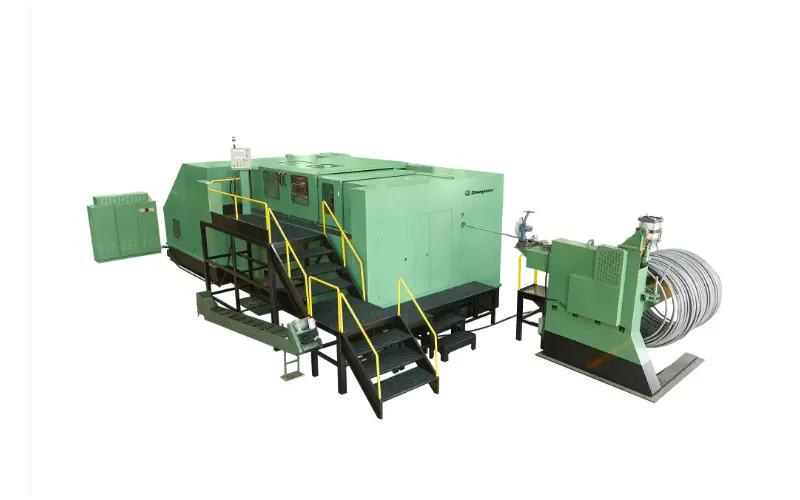
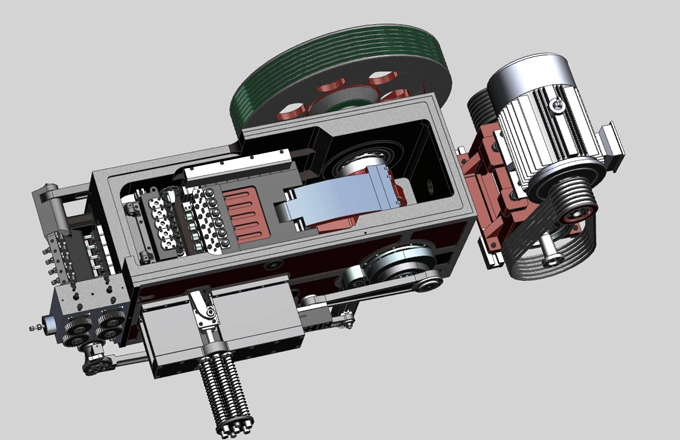
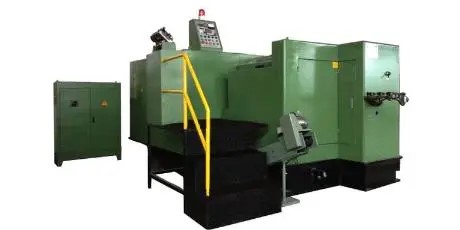
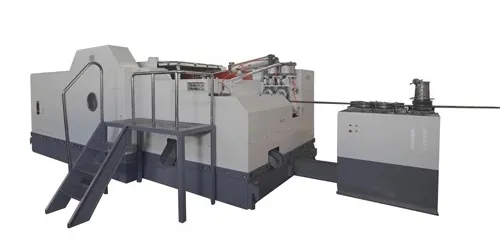
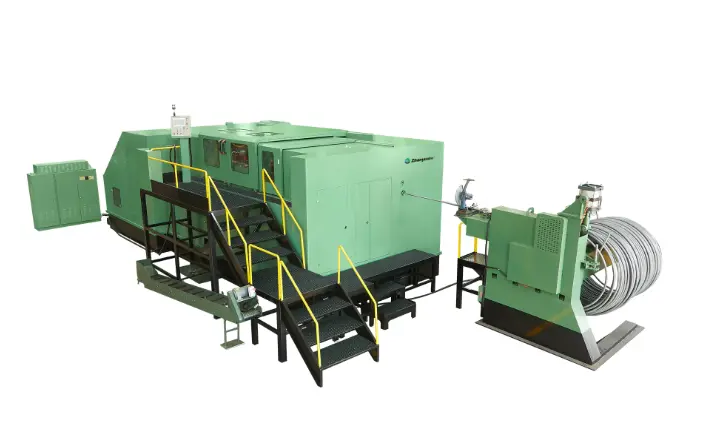
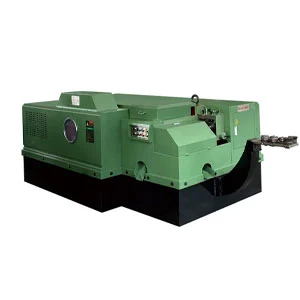
A multi-station nut cold forming machine feeds and cuts the blank, then transfers it through a sequence of forming stations—each applying a specific, controlled deformation step. The geometry is built progressively: the first station may establish the basic blank shape and begin the head formation; subsequent stations develop the outer profile, reduce wall thickness, form the hollow cavity, or create shoulder and step features. The final station sizes the part to the required dimensional tolerance.
This progressive approach keeps the strain at each station within the material's formability limit, which reduces cracking risk on complex geometries and produces more consistent dimensions than attempting the full shape change in too few hits. The result is a part that could not be formed reliably on simpler equipment—produced in one continuous automated cycle.
Why Multi-Station Design Is Essential for Hollow and Special-Shaped Parts
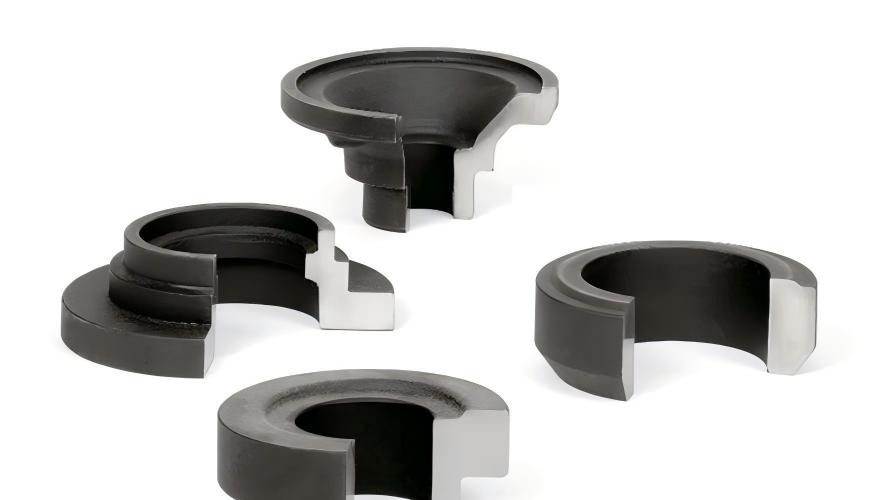
Hollow parts—sleeves, bushings, cup-shaped components—require a forming sequence that standard nut machines are not designed to execute. A typical sequence for a hollow part involves: a preforming step to establish the blank geometry and begin material redistribution; a piercing or backward extrusion step to form the hollow cavity; and a sizing step to bring the outer diameter, inner diameter, and wall thickness to the required tolerances.
Each of these steps requires a different die and punch geometry, a different forming force, and a different material flow pattern. Attempting to combine them into fewer steps than the geometry requires causes material folding, cracking at the cavity entrance, or wall thickness variation that produces non-conforming parts. A multi-station layout integrates these steps into one machine cycle—eliminating the need for separate setups, intermediate handling, and the dimensional variation that accumulates across multiple process steps.
Beyond Standard Nuts: What Multi-Station Forming Actually Produces
The commercial value of a multi-station nut cold forming machine is the product catalog it makes accessible. These are the part categories that become producible when progressive forming capability is available.
Sleeves and bushings
Cylindrical hollow parts with controlled inner and outer diameters—used as spacers, bearing housings, and assembly components in automotive and industrial machinery—are among the most common non-standard parts that standard nut machines cannot produce. Multi-station cold forming produces sleeve blanks with consistent wall thickness and concentricity, ready for tapping, threading, or surface finishing as required by the specification.
Hollow and cup-shaped components
Cup-like geometries with a closed or partially closed base and a hollow body are used in a wide range of assembly applications. The backward extrusion capability of a multi-station former allows the hollow cavity to be formed progressively without the material folding or cracking that occurs when the extrusion depth exceeds what a single-hit process can achieve.
Special-shaped nuts
Flange nuts, step nuts, thin-wall nuts, long nuts, and nuts with custom outer profiles all require more forming steps than a standard hex nut. Multi-station forming develops these geometries progressively, achieving the required dimensional tolerances and surface quality in one pass. These parts command a meaningful price premium over standard hex nuts because the forming capability required to produce them consistently is not widely available.
OEM custom preforms
Non-standard preforms that receive tapping, threading, or secondary finishing after cold forming are a growing segment of OEM fastener supply. The cold-formed blank provides the geometry and mechanical properties; the secondary operation adds the functional feature. Multi-station forming produces these preforms with the dimensional consistency that OEM customers require for downstream processing—consistent blank dimensions mean consistent tapping depth, thread quality, and finished part performance.
The RFQ Specification Checklist for a Nut Cold Forming Machine
Specifying a multi-station nut cold forming machine correctly before issuing an RFQ prevents the most common procurement outcome: receiving a machine that meets the stated dimensions but cannot form the target non-standard geometry reliably in production.
Station count and forming sequence capability
Map the required forming steps for your most complex target part—preform, piercing, backward extrusion, sizing, and any additional steps—and confirm that the machine's station count and layout can accommodate this sequence. A machine with five stations configured for a different forming sequence than your part requires may need tooling redesign that affects both cost and lead time.
Material range and tensile strength
Wire or slug diameter range and tensile strength range define the material envelope. Higher-strength materials require higher forming force and accelerate die wear. Stainless steel and certain alloy grades have specific cold-forming characteristics—work-hardening rate, galling tendency, lubrication requirements—that affect station-by-station forming force and tooling life. Confirm material-specific capability using the actual tensile strength of your target wire grade.
Maximum outer diameter, height, and length
These dimensions define the forming envelope for the largest parts in the target product range. Long nuts and sleeves with high length-to-diameter ratios require specific station layouts and transfer mechanisms. Confirm that the machine's forming envelope covers the full range of target parts, not just the most common specification.
Piercing and extrusion capability
For hollow parts, confirm the machine's pierce force, punch design options, and alignment stability for the hollow feature. Concentricity between the outer profile and the hollow cavity is the critical quality parameter for sleeve and bushing applications—confirm the alignment specification and how it is maintained across a production run.
Feeding and cut-off accuracy
Blank length tolerance directly affects wall thickness consistency in hollow parts and dimensional consistency of the formed geometry. Request feeding accuracy specifications and confirm they are adequate for the tolerances required by the target parts.
Tooling system and spare parts plan
Die and punch standard sizes, quick-change features, and spare tooling availability determine how quickly the machine can be returned to production after a tooling failure. A defined spare tooling plan—maintaining critical dies and punches for each active part specification—prevents production stoppages from unexpected tooling wear.
Automation and quality safeguards
Misfeed detection, overload protection, part ejection stability, and counting or traceability systems affect OEE in real production. For non-standard parts with tight tolerances, in-process monitoring that detects forming anomalies before they produce a batch of non-conforming parts is a meaningful quality investment.
Where Multi-Station Cold Forming Creates the Biggest Competitive Advantage
The ROI advantage of multi-station cold forming is most significant in specific production scenarios. These are the applications where the combination of geometric capability and unit cost efficiency produces the strongest business case.
Automotive and industrial OEM supply
OEM customers specify fasteners and components by drawing, not by catalog number. They require consistent mechanical properties, tight dimensional tolerances, and documented process control across production batches. Multi-station cold forming's inherent dimensional stability—consistent forming force, stable station transfer, precise cut-off—produces parts that meet drawing tolerances consistently, which is the foundation of a reliable OEM supply relationship. Sleeves, special nuts, and hollow preforms for automotive assembly are high-volume, stable-specification parts that are well suited to multi-station cold forming economics.
Machinery manufacturing
Special-shaped nuts and hollow components used in machine assemblies are often produced in medium volumes with stable specifications—the ideal profile for multi-station cold forming. The alternative for these parts is typically machining from bar stock, which generates significant chip waste and is slower per piece. Cold forming produces the same geometry with better material utilization and higher throughput, at lower unit cost for volumes above the tooling amortization threshold.
Export fastener factories expanding their SKU range
Factories that currently supply standard commodity fasteners to export markets can use multi-station cold forming capability to offer non-standard parts to the same customer base. Adding sleeves, special nuts, and hollow components to the product catalog reduces reliance on standard commodity lines and creates opportunities for higher-margin orders from customers who currently source these parts from machining suppliers.
Mid-to-high volume non-standard parts
The multi-station former's tooling investment is most efficiently amortized over mid-to-high volume production runs. The sweet spot is non-standard parts with stable specifications and annual volumes high enough to justify dedicated tooling—typically above 200,000–500,000 pieces per year per specification, depending on part complexity and tooling cost. Below this threshold, machining or flexible forming platforms may be more appropriate.
Adoption Without Disruption: Installation, Selection, and First-Run Validation
What to Prepare Before Delivery
Power supply specification must match the machine's electrical requirements. Compressed air supply must meet the specified pressure and flow rate for pneumatic transfer and ejection systems. Floor loading and foundation requirements should be confirmed before installation planning begins—multi-station formers generate significant dynamic loads, and inadequate foundation preparation causes vibration that affects dimensional consistency and accelerates wear.
Workshop layout should account for wire pay-off and straightening equipment, lubricant supply systems, and downstream equipment coordination—tapping, threading, heat treatment, and inspection, depending on the specific parts to be produced. Safety guarding for the forming area, transfer mechanisms, and part discharge must meet applicable machinery safety standards.
Selection Workflow That Prevents Wrong-Machine Purchases
Confirm part drawings and tolerance requirements for all target parts—not just the most common specification
Define material grade and tensile strength range across the full product range
Map the required forming steps for the most complex target part: preform, piercing, backward extrusion, sizing, and any additional steps
Match the required forming steps to the machine's station count and forming force specification
Validate capability with sample parts or a trial tooling plan before finalizing the machine order
This sequence prevents the most common selection error: purchasing a machine based on the simplest part in the range and discovering after delivery that it cannot form the most complex parts without additional stations or higher forming force.
First-Run Validation
First-article inspection for non-standard parts should include: dimensional measurement against drawing tolerances, concentricity measurement between outer profile and hollow cavity (for sleeve and hollow parts), wall thickness measurement at multiple points (for hollow parts), and surface defect inspection. Process window setup—establishing the relationship between production speed, tool life, and scrap rate—should be completed before full production release to identify the operating conditions that optimize OEE for each part specification.
Maintenance and TCO: Why Multi-Station Cold Forming Lowers Unit Cost on Complex Parts
The unit cost advantage of multi-station cold forming over machining for complex nut and sleeve geometries is most clearly demonstrated through a complete TCO comparison that includes secondary operation costs and material utilization.
One-pass forming reduces secondary process cost
A sleeve or hollow component produced by machining from bar stock requires turning, boring, and facing operations—each adding labor, fixturing, and cycle time. The same part produced by multi-station cold forming exits the machine ready for tapping or threading, with no intermediate machining required. The reduction in secondary operations reduces labor cost, fixturing cost, and the dimensional variation that accumulates across multiple process steps.
Material utilization advantage over machining
Machining hollow parts from bar stock generates chip waste that can represent 30–50% of input material weight for deep hollow geometries. Cold forming redistributes material rather than removing it—material utilization is typically 95–99% of input weight. For materials with significant raw material cost—alloy steel, stainless steel—the material utilization difference is a substantial cost advantage at production volume.
TCO model
The relevant comparison for a multi-station cold forming investment is:
(Machining cost per part including material waste + secondary operations) vs. (Cold forming cost per part including tooling amortization + any remaining secondary operations)
Machining cost includes: bar stock cost at the utilization rate for the geometry, turning and boring cycle time, fixturing and setup, and any secondary forming or finishing operations. Cold forming cost includes: wire or slug cost at near-100% utilization, forming cycle time, tooling cost per piece, and any downstream tapping or threading operations.
The annual cost saving—multiplied by production volume—divided into the machine investment cost gives the payback period. For non-standard parts with significant machining cost in the current process, payback periods of 18–30 months are achievable at mid-to-high production volumes. The payback is fastest for parts with the highest machining waste and the most secondary operations in the current process.
Conclusion
If your factory is competing primarily on standard nut production, the fastest path to wider margins is expanding into non-standard parts that require real forming capability—sleeves, hollow components, special-shaped nuts, and OEM custom preforms that machining suppliers produce slowly and expensively. A multi-station nut cold forming machine uses progressive deformation steps to produce these geometries in one automated cycle, with better material utilization and lower unit cost than machining at production volume.
The right machine selection depends on confirming that the station layout, forming force, and piercing capability match the specific part drawings and material grades in the target product catalog. With the correct configuration, tooling plan, and first-article validation process, a multi-station nuts and bolts making machine becomes a genuine growth tool—expanding the product catalog into categories where capability, not price, determines who wins the order.
Get a Recommended Configuration and Quotation
Ready to model the unit cost for your non-standard nut and sleeve specifications? Submit your requirements for an accurate machine configuration recommendation and quotation.
View the Nut Cold Heading Machine
To receive a specific recommendation, provide the following:
Work conditions: Current products and process (cold heading or machining), shifts per day, target annual output, available utilities (power supply, compressed air, floor space)
Quantity: Number of machines or lines needed, capacity target per line, required delivery timeline
Size and specifications: Part drawings and tolerances, outer diameter, length and height, hollow dimensions and wall thickness, tolerance requirements, material grade and tensile strength, raw material form (wire or slug)
Target metrics: Stable output in pieces per minute, scrap rate target, tooling life target, OEE target, unit cost target versus current process
Current problem: Too much standard-part price competition, machining cost too high for hollow parts, inability to form special geometries on current equipment, unstable dimensional quality, frequent die wear
FAQ
1. What is a nuts and bolts making machine in the context of nut production?
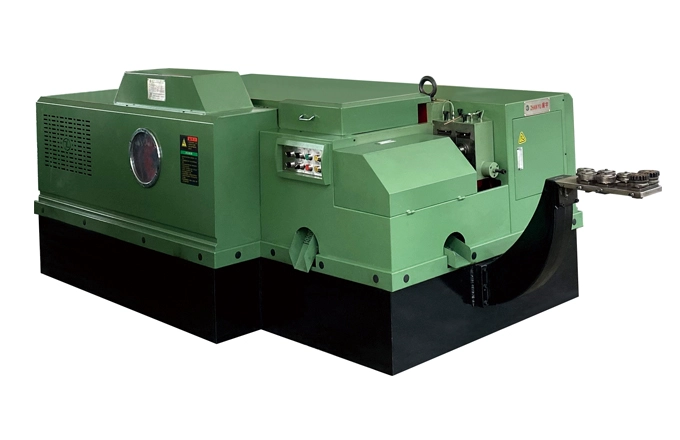
In nut production, a nuts and bolts making machine refers to a cold heading or cold forming system that forms nut blanks—and in multi-station configurations, related hollow and special-shaped components—through staged deformation before threading or tapping operations. Standard nut formers produce hex nut blanks in one or two hits. Multi-station nut cold forming machines add progressive forming capability that enables complex geometries—hollow features, stepped profiles, flanged heads, and custom outer shapes—that single-station machines cannot produce reliably.
2. How does a nut cold forming machine compare with machining nuts and sleeves from bar stock?
Machining from bar stock offers geometric flexibility and is appropriate for low-volume custom parts or geometries that exceed cold-forming capability. For mid-to-high volume production of parts within the cold-forming envelope, cold forming typically delivers lower unit cost through two mechanisms: higher material utilization (near-100% versus 50–70% for machined hollow parts) and higher throughput per labor hour. The trade-off is tooling investment and the requirement that part geometry be within the machine's forming capability—which is why part drawing review and capability confirmation are essential before machine selection.
3. What ROI or payback period can multi-station cold heading deliver?
ROI comes from three sources: unit cost reduction on complex parts through elimination of secondary machining operations and improved material utilization; throughput improvement from higher production speed compared to machining; and margin improvement from accessing higher-value non-standard part categories that standard nut lines cannot produce. Payback period depends on the machining cost eliminated, the material utilization improvement, and the annual production volume of non-standard parts. For factories with significant machining cost in their current process for hollow and special-shaped parts, payback periods of 18–30 months are achievable at mid-to-high production volumes.
4. Do we need to modify our plant to install a multi-station nut cold heading machine?
Standard industrial installation preparation is required: stable power supply matched to the machine's electrical specification, compressed air at the required pressure and flow rate, adequate floor space and foundation preparation for the machine's dynamic load, wire pay-off and straightening equipment, lubrication supply systems, and safety guarding. Downstream equipment coordination—tapping, threading, heat treatment, and inspection—must be planned based on the specific parts to be produced. These are standard requirements that do not typically require structural building modifications but must be completed before installation.
5. What parameters should we provide for correct machine selection and an accurate quotation?
Provide: part drawings and dimensional tolerances for all target parts including non-standard geometries, material grade and tensile strength, raw material form (wire diameter or slug dimensions), required forming steps for the most complex target part (preform, piercing, backward extrusion, sizing), tolerances for hollow features (inner diameter, wall thickness, concentricity), target output in pieces per minute and annual volume, current process route including all secondary operations, current pain points (scrap rate, tool wear frequency, machining cost, inability to form special shapes), and target unit cost or margin improvement goals.

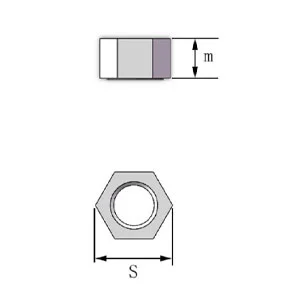 Bolt Cold Heading MachineThe bolt cold heading machine can meet various bolt requirements. It can produce cold-headed bolts with a head width across flats (S) of 9-58mm, a tail diameter (d) of 6-38mm, and a total length (S+L) of 6-500mm, at a production speed of 50-300 pieces per minute.
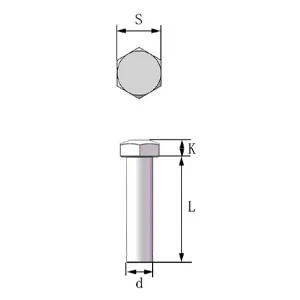 Parts FormerParts former can meet the requirements for various non-ferrous metal products suitable for cold heading. The maximum outer diameter (S) of the products can reach 8-70mm, and the length (H) can reach 8-500mm, with a production speed of 50-300 pieces per minute.
(1).webp "Parts Former")

 English