Selecting the right production equipment is one of the most important decisions for fastener manufacturers. While product specifications, material types, and forming processes all influence manufacturing results, production capacity is often the deciding factor when choosing a machine that can support current and future business needs.
A cold heading machine is designed to transform metal wire into bolts, screws, and other fasteners through high-speed forming processes. However, different machines provide different output capabilities, forming stages, and operating efficiencies. Choosing equipment with insufficient capacity may limit production growth, while selecting a machine with excessive capacity may increase unnecessary investment and operating costs.
For this reason, manufacturers need to evaluate production requirements carefully before purchasing a cold head machine. The right equipment should not only meet current demand but also provide enough flexibility for future expansion, improved efficiency, and stable long-term operation.
This guide explains why production capacity matters, which factors influence machine output, how to calculate capacity requirements, and what specifications manufacturers should evaluate before selecting a suitable cold heading machine.
Why Production Capacity Matters When Selecting a Cold Heading Machine
Production capacity determines how efficiently a manufacturing operation can meet customer demand while maintaining consistent product quality. In fastener production, where thousands or millions of components may be required, choosing a machine with the appropriate output capability directly affects delivery schedules, production costs, and overall competitiveness.
A properly selected cold heading machine allows manufacturers to achieve a balance between production speed and product accuracy. Higher capacity does not simply mean faster operation; it also requires stable forming performance, reliable tooling, and consistent material handling.
If a machine cannot meet the required production volume, manufacturers may face extended production cycles, increased labor requirements, and difficulties responding to larger orders. On the other hand, an oversized machine may result in higher equipment costs, greater energy consumption, and unused production capability.
Therefore, capacity planning should be one of the first steps before purchasing a cold head machine. Manufacturers should consider current demand, expected growth, product range, and production goals to identify the most suitable equipment solution.
Key Factors That Influence Cold Heading Machine Capacity and Production Output
The production capacity of a cold heading machine is influenced by several technical and operational factors. Understanding these elements helps manufacturers select equipment that matches their specific production requirements.
Machine speed is one of the most visible factors affecting output. A higher forming speed can increase production volume, but speed alone does not determine overall efficiency. The machine must maintain accurate forming performance at continuous operating speeds to prevent quality issues and unnecessary downtime.
The number of forming stations is another important consideration. Multi-stage forming allows manufacturers to produce more complex fasteners by completing different shaping operations in sequence. More forming stages can improve production flexibility but may also require more advanced machine control and tooling management.
Material size and fastener specifications also influence capacity. Larger diameter bolts generally require higher forming force and more processing time compared with smaller fasteners. A machine suitable for small precision components may not provide sufficient capability for heavy-duty fastener production.
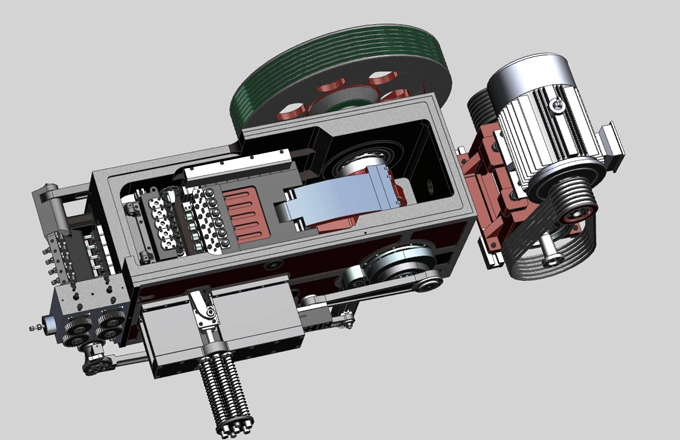
Tooling design and machine stability also play important roles. High-quality dies, punches, and mechanical systems help maintain consistent production conditions. A stable cold head machine can reduce interruptions caused by tooling wear, vibration, or adjustment requirements.
Automation features can further improve production efficiency. Modern cold heading equipment may include monitoring systems and improved control technology that help operators maintain stable parameters and reduce production errors.
How to Calculate the Right Cold Heading Machine Capacity for Your Manufacturing Needs
Determining the correct capacity of a cold heading machine requires more than looking at the machine’s maximum speed. Manufacturers need to evaluate actual production requirements and operating conditions.
The basic calculation starts with understanding the required daily or monthly production volume. Manufacturers should consider the number of working hours, expected machine utilization rate, product changeover time, and maintenance periods.
For example, if a manufacturer needs to produce a certain quantity of bolts every month, the required machine capacity should include additional allowance for normal downtime, tooling changes, and production adjustments. Selecting equipment based only on theoretical maximum output may lead to unrealistic expectations.
Important factors to evaluate include:
Required fastener size and material type
Target production volume
Number of production shifts
Required forming stages
Expected future production growth
Quality and tolerance requirements
A reliable supplier can help manufacturers evaluate these factors and recommend suitable equipment configurations. Boyu Cold Header provides different cold heading solutions designed for various fastener production requirements, allowing manufacturers to compare machine capabilities before making an investment decision. More information about available equipment can be found on the Boyu Cold Header products .
Important Cold Heading Machine Specifications to Evaluate Before Purchase
Before purchasing a cold heading machine, manufacturers should carefully review technical specifications rather than focusing only on production speed. The right specifications determine whether the equipment can deliver stable performance over many years of operation.
| Specification Factor | Why It Matters | Impact on Production |
|---|
| Maximum Forming Capacity | Determines whether the machine can handle required fastener sizes | Ensures suitable production capability for target products |
| Production Speed | Affects possible output volume | Influences manufacturing efficiency and delivery capability |
| Number of Forming Stations | Controls forming flexibility | Allows production of different fastener designs |
| Machine Accuracy | Maintains consistent dimensions | Reduces defects and improves product reliability |
| Tooling Compatibility | Affects maintenance and production changes | Improves operational flexibility |
| Control System | Manages machine operation and monitoring | Supports stable long-term production |
Manufacturers should also evaluate equipment durability, maintenance requirements, spare parts availability, and technical support. A machine that provides stable performance and easier maintenance can deliver better value throughout its service life.
When comparing different machines, it is important to consider the complete production system rather than a single specification. A well-balanced cold head machine should provide sufficient capacity while maintaining accuracy, reliability, and operating efficiency.
How to Choose a Cold Heading Machine for Efficient and Scalable Production
Choosing a cold heading machine is a long-term production decision. Manufacturers should select equipment that not only satisfies current manufacturing requirements but also supports future expansion and changing market demands.
A scalable production solution should provide flexibility in fastener sizes, stable operation, and efficient production management. For manufacturers planning to increase output, selecting a machine with appropriate capacity reserves can prevent the need for frequent equipment replacement.
Another important consideration is supplier experience. A reliable equipment provider should understand different fastener applications and help customers evaluate machine performance based on actual production conditions.
Boyu Cold Header focuses on providing cold heading equipment designed for stable forming performance and efficient fastener production. By selecting the right machine configuration based on capacity requirements, manufacturers can improve productivity while maintaining consistent product quality.
Before making a final decision, manufacturers can discuss production requirements, machine selection, and application details directly through the Boyu Cold Header contact to receive professional guidance.
Conclusion
Selecting a cold heading machine based on production capacity requirements is essential for achieving efficient and reliable fastener manufacturing. The right equipment should match current production needs while providing enough flexibility for future growth.
Factors such as machine speed, forming stages, material requirements, tooling capability, and automation features all influence production output. By carefully evaluating these factors, manufacturers can avoid capacity limitations, reduce unnecessary investment, and build a more efficient production process.
A suitable cold head machine is not only a production tool but also a foundation for improving manufacturing stability and long-term competitiveness. Working with an experienced supplier such as Boyu Cold Header helps manufacturers make informed equipment decisions and achieve sustainable production development.
FAQ
1. What is a cold heading machine used for?
A cold heading machine is used to form metal wire into bolts, screws, and other fasteners through cold forming processes without removing large amounts of material.
2. Why is production capacity important when choosing a cold heading machine?
Production capacity determines whether the machine can meet required output levels while maintaining product quality and operational efficiency.
3. What factors affect cold heading machine output?
Machine speed, forming stages, material size, tooling quality, automation level, and machine stability all influence production output.
4. How can manufacturers calculate the right machine capacity?
Manufacturers should evaluate production volume, working hours, product specifications, downtime, and future growth requirements before selecting equipment capacity.
5. Is a higher-speed cold heading machine always better?
Not necessarily. The best machine should balance production speed with accuracy, stability, maintenance requirements, and product quality.
6. What should I consider before buying a cold heading machine?
Important considerations include fastener size, production volume, machine specifications, tooling compatibility, supplier experience, and technical support.

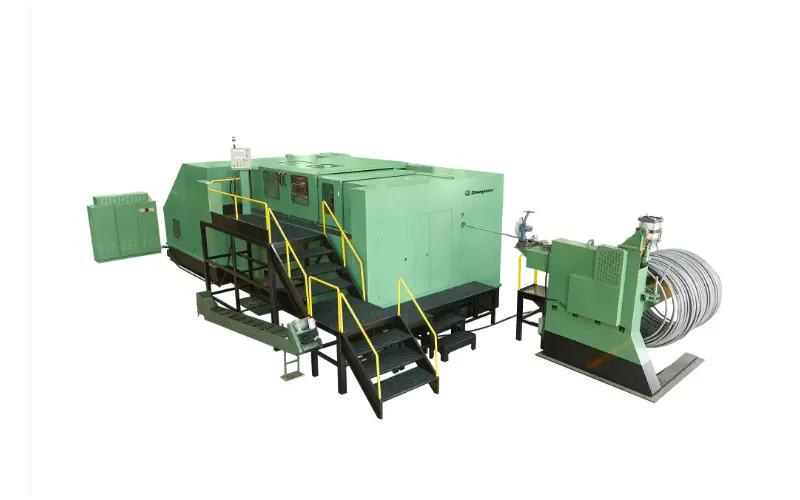
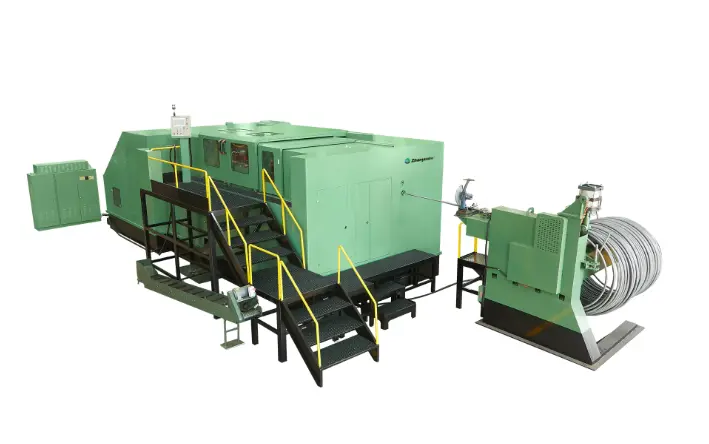
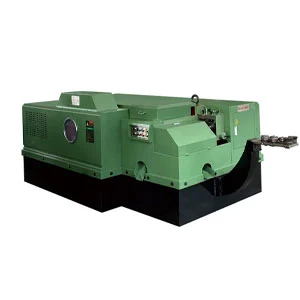
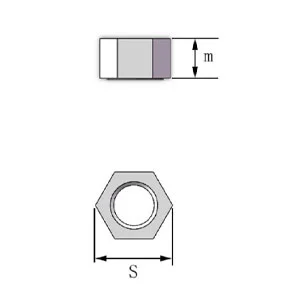 Bolt Cold Heading MachineThe bolt cold heading machine can meet various bolt requirements. It can produce cold-headed bolts with a head width across flats (S) of 9-58mm, a tail diameter (d) of 6-38mm, and a total length (S+L) of 6-500mm, at a production speed of 50-300 pieces per minute.
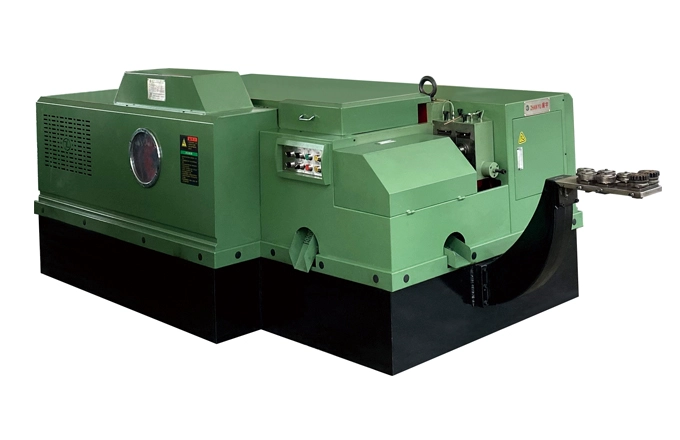
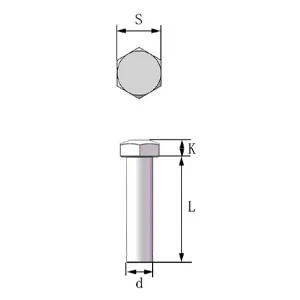 Parts FormerParts former can meet the requirements for various non-ferrous metal products suitable for cold heading. The maximum outer diameter (S) of the products can reach 8-70mm, and the length (H) can reach 8-500mm, with a production speed of 50-300 pieces per minute.
(1).webp "Parts Former")

 English