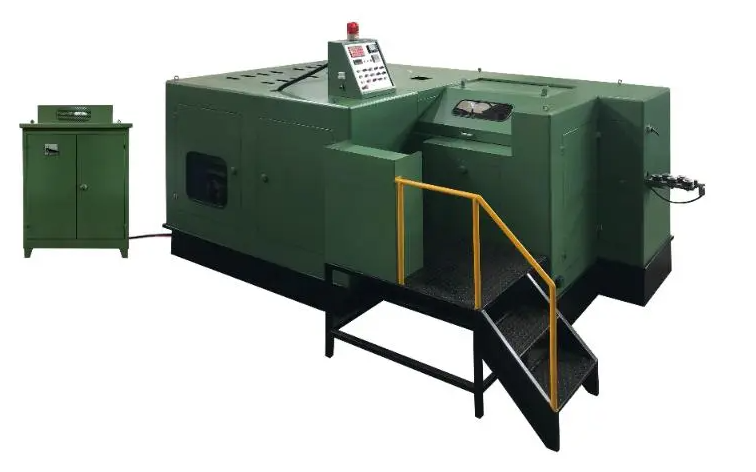
In the high-volume fastener manufacturing industry, efficiency and precision are everything. If you are looking to scale up your production line, investing in the right cold forming technology is the most critical decision you will make. While both nuts and bolts are foundational fasteners, the machinery used to produce them relies on distinct mechanical principles.
Choosing between a nut cold heading machine and a bolt cold heading machine isn't just about the final shape of the metal; it impacts your production speed, tooling wear, floor space layout, and overall return on investment (ROI). This comprehensive guide breaks down the core mechanical differences and provides a strategic roadmap to help you select the ideal nuts and bolts making machine for your manufacturing facility.
1. Stroke Length & Speed: The Key Structural Differences
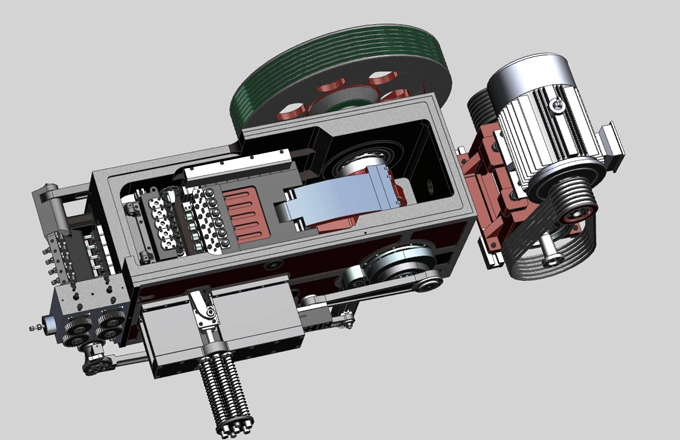
The most fundamental variation between a bolt cold heading machine and a nut cold forming machine lies in the kinematics of the main slider—specifically, the relationship between stroke length and production speed.
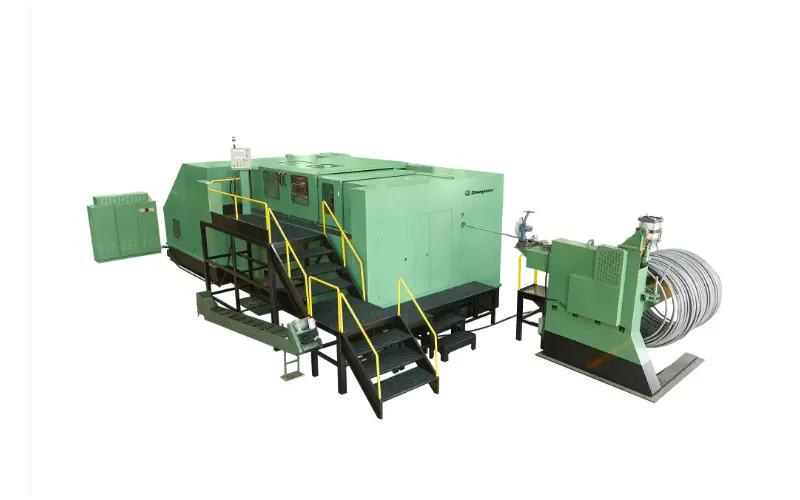
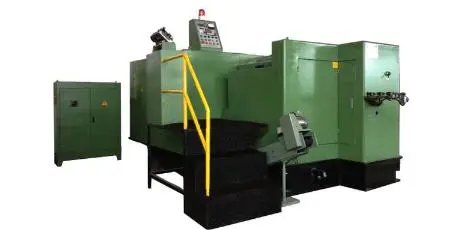
The Bolt Cold Heading Machine (Long Stroke, Controlled Speed): Bolts are inherently elongated components with shafts that require significant material displacement along a single axis. To accommodate the length of the blank wire and allow enough clearance for the robotic transfer arms to shift the workpiece between stations, a bolt header utilizes an extra-long slider stroke. Because the physical distance traveled by the mechanical ram is greater, the cycles per minute are naturally more controlled, typically ranging from 50 to 180 pieces per minute depending on the bolt length.
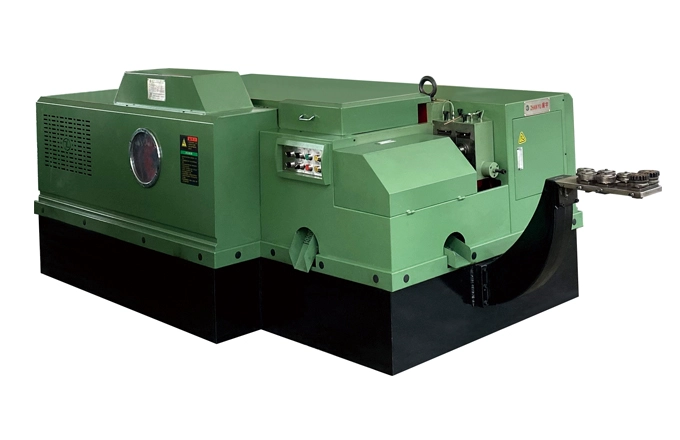
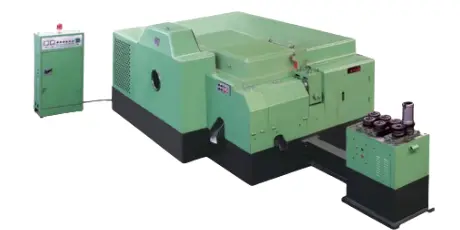
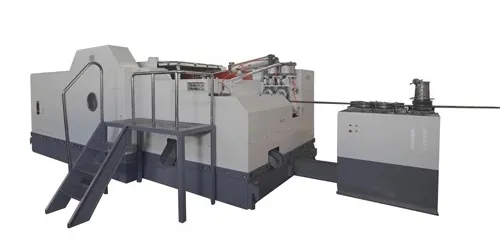
The Nut Cold Heading Machine (Short Stroke, High Speed): In contrast, nuts are compact, hollowed, and flat fasteners. They do not require an extended shaft clearance. Consequently, a nut manufacturing machine is engineered with a short slider stroke. This compact mechanical movement allows the machine to operate at blistering velocities, achieving ultra-high-speed automated production ranging from 50 to 300 pieces per minute.
Furthermore, during normal operation, advanced nut formers feature highly optimized power management systems where power consumption is tightly controlled between 25% and 35% of the main motor power, offering massive energy savings over long production runs.
2. Tooling & Die Configurations: How They Form Metal
The metal deformation process required to shape a solid wire coil into a precise geometric fastener dictates the tooling configuration of your nuts and bolts making machine.
Bolt Forming Tooling Setup
A standard industrial bolt cold heading machine for sale typically operates on a Three-Die Three-Blow or Four-Die Four-Blow configuration. The wire is fed by a high-precision servo system, cut to an exact length, and struck sequentially by punches into the dies. The process requires a heavy-duty, high-strength machine frame to handle the immense pressure needed to upset the wire into a distinct bolt head while maintaining an exact weight control within a tight tolerance of 0.02g.
Nut Forming Tooling Setup
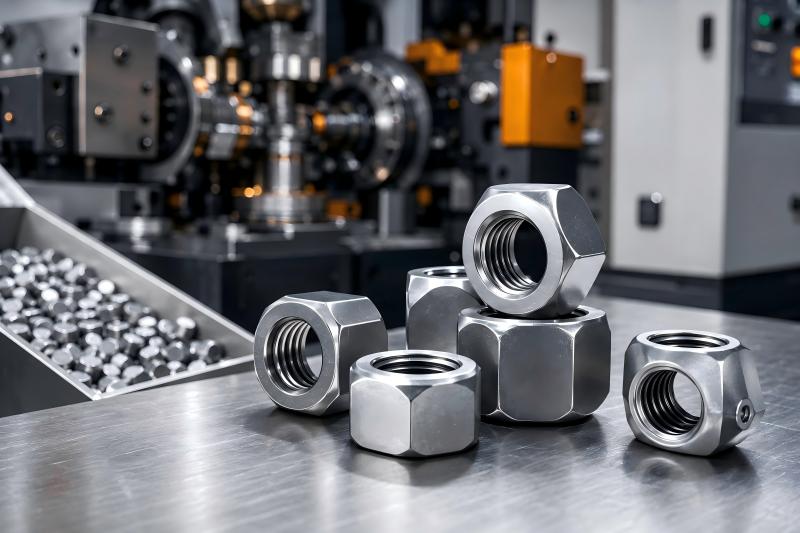
Because nuts require internal piercing (punching out the center hole) and the formation of complex hexagonal flats, they require more forming steps in a confined space. This is why a premium nut cold header utilizes multi-station capabilities, most commonly a six-die six-blow matrix. The material undergoes multi-stage continuous compression to form the hex shape, reverse-extrude the recess, and cleanly punch out the center slug with zero wasted material along the perimeter.
| Technical Parameter | Bolt Cold Heading Machine | Nut Cold Heading Machine |
|---|
| Primary Kinematics | Long slider stroke for extended shafts | Short slider stroke for fast cycling |
| Production Speed | 50 – 180 pieces/min | 50 – 300 pieces/min |
| Common Die Setup | 3-Die 3-Blow / 4-Die 4-Blow | 5-Die 5-Blow / 6-Die 6-Blow |
| Core Forming Action | Heading, upsetting, and forward extrusion | Trimming, upsetting, and center piercing |
| Material Capacity | Long wire blanks up to extra-long bolts | Low-carbon alloy steel wire (M6–M40 sizes) |
3. Application Sectors: From Automotive to Construction
Both categories of machinery are indispensable across global supply chains, but they serve different engineering niches based on the structural requirements of the end-use components.
Automotive & Motorcycle Manufacturing
The automotive sector is the largest consumer of high-strength, tight-tolerance fasteners. Engine blocks, chassis setups, and transmission housings rely heavily on heavy-duty hex bolts made via a multi-station bolt cold heading machine. Simultaneously, specialized hex nuts, locking nuts, and flange nuts produced by high-speed automatic nut formers ensure that vibration-heavy automotive assemblies remain permanently secured.
Aerospace & Railway Transportation
Aerospace applications demand lightweight yet exceptionally robust titanium and alloy fasteners. The precision servo feeding systems of modern cold headers guarantee perfect grain flow structure in metals, preventing micro-fractures. For railway transportation and engineering machinery, massive track bolts and heavy structural nuts are processed through high-tonnage automated systems to withstand harsh outdoor environments and intense mechanical loads.
Energy & Home Appliances
From wind turbine structural tower bolts to the tiny, intricate precision nuts used in electronic circuits and household appliances, cold forming technology eliminates the need for expensive heat processing, providing clean surface finishes and consistent dimensional stability across billions of units.
4. Buying Guide: How to Choose the Right Machine for Your Factory
When auditing your manufacturing floor for a new nuts and bolts making machine, avoid making a decision based purely on the initial purchase price. Use this professional procurement checklist:
Evaluate Part Geometry First: Look at your product blueprint. If your portfolio consists of fasteners where the length exceeds the diameter by a factor of three or more, a dedicated bolt cold heading machine** is mandatory. If you are manufacturing hollow, flat, or internal-threaded components, a multi-station nut former is the correct choice.
Analyze Material & Size Compatibility: Ensure the machine's tonnage and cutting mechanisms match your raw material wire alloys. For instance, cold heading low-carbon alloy steel nuts within the M6 to M40 spectrum requires a rigid multi-station configuration that can handle high-stress plastic deformation without fracturing the dies.
Calculate Required Production Volume: If you are supplying high-volume markets like automotive or electronics, prioritize a high-speed automatic system (up to 300 pcs/min) to drive down your per-part manufacturing costs and maximize daily throughput.
Assess Factory Workspace & Layout: Long-stroke bolt headers require a linear footprint with adequate room for uncoiling wire stands, while multi-die nut machines demand robust integrated cooling and lubrication filtration systems to manage the heat generated by rapid-cycle piercing.
5. Why Partner with Boyu Machinery for Advanced Cold Forming Solutions?
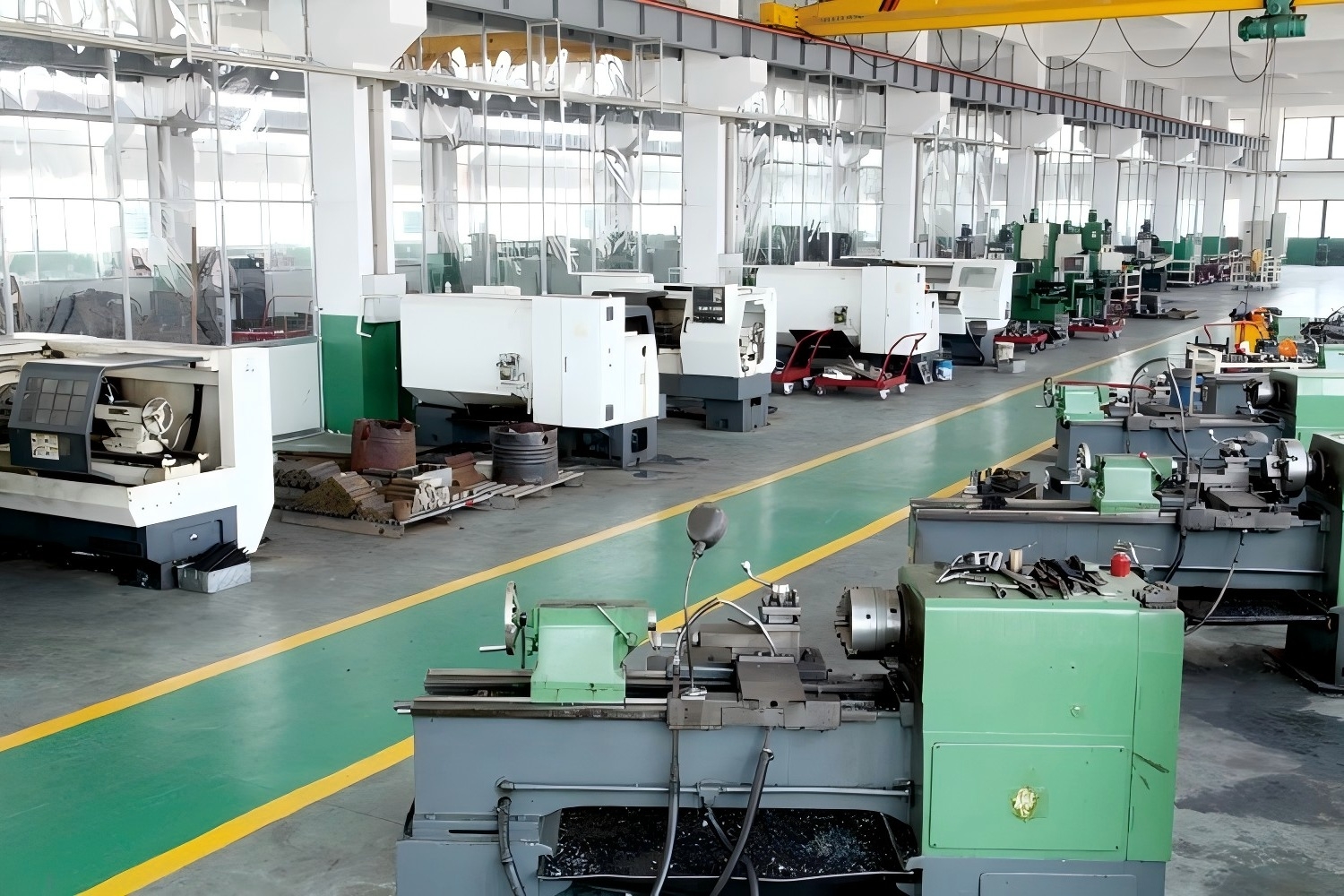
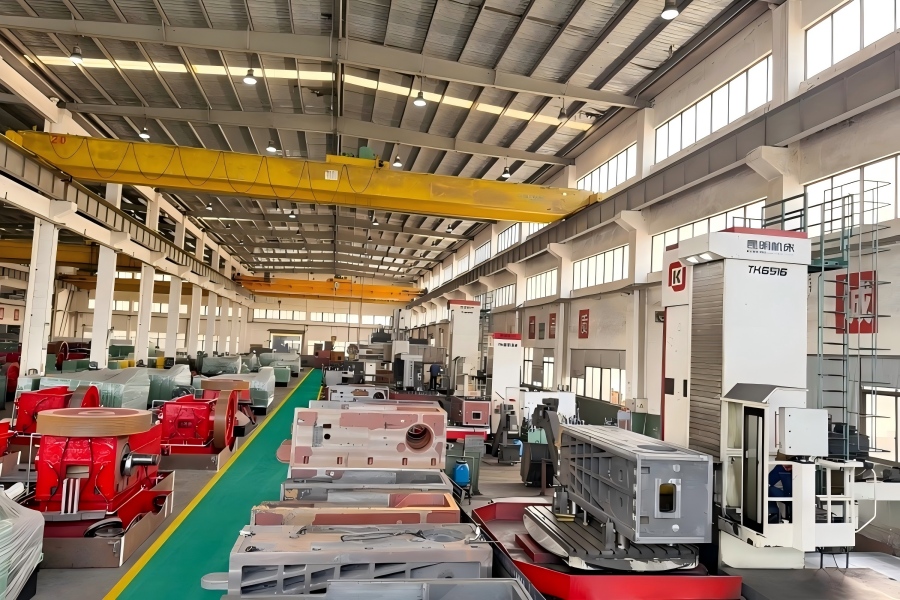
When investing in industrial-grade fastener machinery, choosing a manufacturer with verified engineering pedigree is essential for minimizing long-term downtime. Wenzhou Boyu Machinery Co., Ltd. is a certified national high-tech enterprise operating a massive 40,000-square-meter standardized factory equipped with hundreds of cutting-edge processing machines. Maintaining a dominant market position with an annual sales volume of 1,200 units, Boyu is globally recognized for sophisticated advancements in metal forming technology.
Holding prestigious global certifications—including ISO9001, ISO45001, and ISO14001—alongside the Zhejiang Manufacturing Product Label Certification, Boyu integrates advanced R&D with a customer-centric support philosophy. With more than 30 invention and utility model patents specifically dedicated to cold forging header systems, Boyu machines feature unique high-strength frames, ultra-precise servo feeding mechanisms, and seamless robotic arm integration. Whether you need an elite Bolt Cold Heading Machine line or a high-capacity automatic Nut Cold Forming Machine, partnering with Boyu Machinery guarantees world-class precision, reduced material waste, and lifetime technical support for your factory floor.
Conclusion
Understanding the structural, mechanical, and operational variations between a nut vs. bolt cold header is the key to maximizing your factory's profitability. While bolt machinery relies on long strokes to form extended shafts with immaculate weight precision, nut machinery utilizes rapid, short-stroke multi-station sequences to achieve unmatched output speeds. By accurately matching your specific product geometry, volume demands, and material requirements to the correct machine class, you can transform your manufacturing capabilities, slash operational overhead, and deliver flawless finished products to your B2B clients.
Frequently Asked Questions (FAQ)
Q1: Can I produce both nuts and bolts on the exact same cold heading machine?
No. Because of the fundamental structural differences in stroke lengths, slider kinematics, and forming sequences (such as the intense center piercing required for nuts versus the elongated shaft upsetting required for bolts), you cannot manufacture nuts on a bolt header or vice versa. They require separate, dedicated machinery.
Q2: What type of raw material wire is best suited for cold heading fasteners?
Low-carbon steel, medium-carbon steel, alloy steel, stainless steel, aluminum, and copper wire coils are commonly used. For high-efficiency nut production, low-carbon alloy steels are highly popular for sizes ranging from M6 to M40.
Q3: How precise is the feeding system on a Boyu bolt cold heading machine?
Boyu bolt cold heading machines are equipped with a high-precision, automated servo feeding system that ensures exceptional volume consistency, keeping weight control fluctuations within a strict margin of just 0.02 grams per blank.
Q4: Why do nut cold forming machines feature more dies (like 6-die 6-blow) than bolt headers?
Nuts require more intricate internal metal manipulation within a highly compact space. The multi-station setup allows the metal wire to be progressively upset, flattened into a hexagon, recessed, and finally pierced to form the inner hole smoothly without cracking the material.
Q5: What basic maintenance is required to keep a nuts and bolts making machine running smoothly?
Routine maintenance requires continuous, automated lubrication of all heavy-moving mechanical joints, periodic monitoring of the hydraulic and electrical systems, regular cleaning of the wire feed pathways, and timely inspections of the punches and dies to prevent premature wear and ensure geometric accuracy.

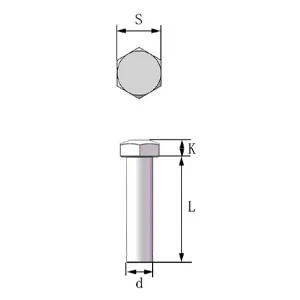
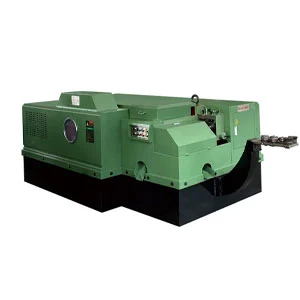
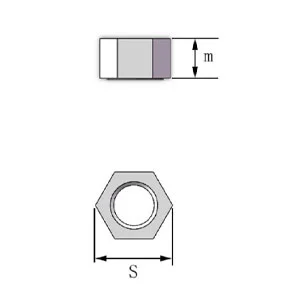 Bolt Cold Heading MachineThe bolt cold heading machine can meet various bolt requirements. It can produce cold-headed bolts with a head width across flats (S) of 9-58mm, a tail diameter (d) of 6-38mm, and a total length (S+L) of 6-500mm, at a production speed of 50-300 pieces per minute.
 Parts FormerParts former can meet the requirements for various non-ferrous metal products suitable for cold heading. The maximum outer diameter (S) of the products can reach 8-70mm, and the length (H) can reach 8-500mm, with a production speed of 50-300 pieces per minute.
(1).webp "Parts Former")

 English