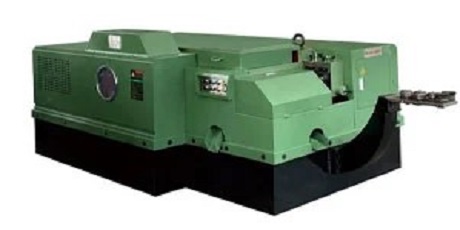
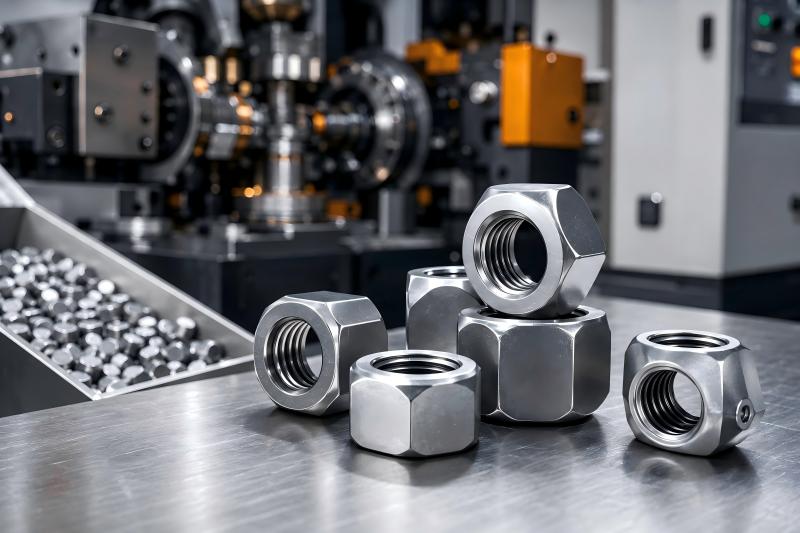
The global automotive manufacturing industry is undergoing its most massive technological evolution in a century. As vehicle architectures shift toward advanced electrification and higher structural safety standards, the components that hold them together must evolve in tandem. For automotive fasteners, meeting these modern engineering demands requires unmatched component precision, flawless structural integrity, and exceptional production yield strengths.
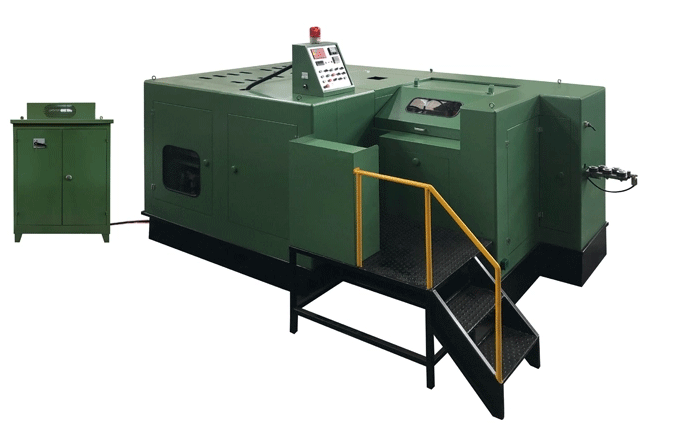
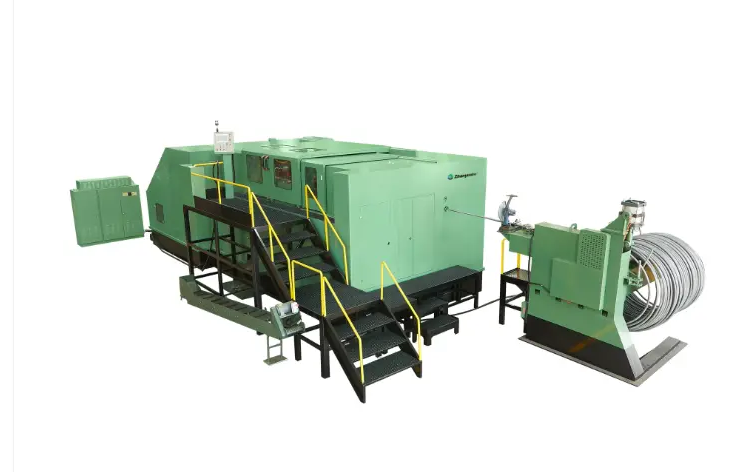
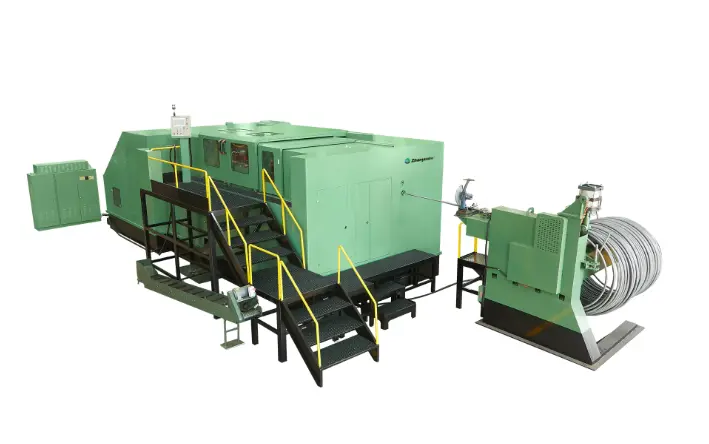
To achieve these high technical standards while optimizing manufacturing overhead, Tier 1 and Tier 2 automotive components suppliers are moving away from traditional metal machining and toward advanced automated cold forming technologies. Utilizing a high-performance cold forge header machine, manufacturers can transform metal wire coils into complex, high-tolerance components at incredible speeds with virtually zero raw material waste. This comprehensive guide explores the specific application sectors where cold heading machinery plays a critical role on the automotive factory floor and outlines the key criteria for choosing industrial manufacturing equipment.
Why Equipment Rigidity Matters for High-Tolerance Automotive Fasteners
Automotive fastener systems operate under some of the most punishing mechanical environments on earth, requiring an ideal balance of lightweight engineering, high torque transmission, and absolute precision. Unlike standard construction screws, industrial automotive fasteners are designed to withstand constant vibration, extreme thermal fluctuations, and massive shear forces. Consequently, the manufacturing process requires equipment capable of delivering massive, repeatable forming pressure while maintaining tight tolerances.
The structural production of high-grade automotive fasteners relies heavily on specific component designs capable of achieving load-bearing yield strengths between 65% and 90%. Achieving this specific structural yield strength requires a manufacturing process that preserves and enhances the natural grain flow of the metal. Machining cuts across these grain lines, creating inherent structural failure points. A rigid cold forming system, however, compresses the grain boundaries, packing the metal matrix closer together to significantly increase the tensile strength of the finished part. To handle the immense forces required to deform heavy-duty wire stock without causing mechanical deflection, the machinery body must possess extreme rigid stability, which is why global fastener manufacturers prioritize high-tonnage equipment with robust, vibration-damping machine frames.
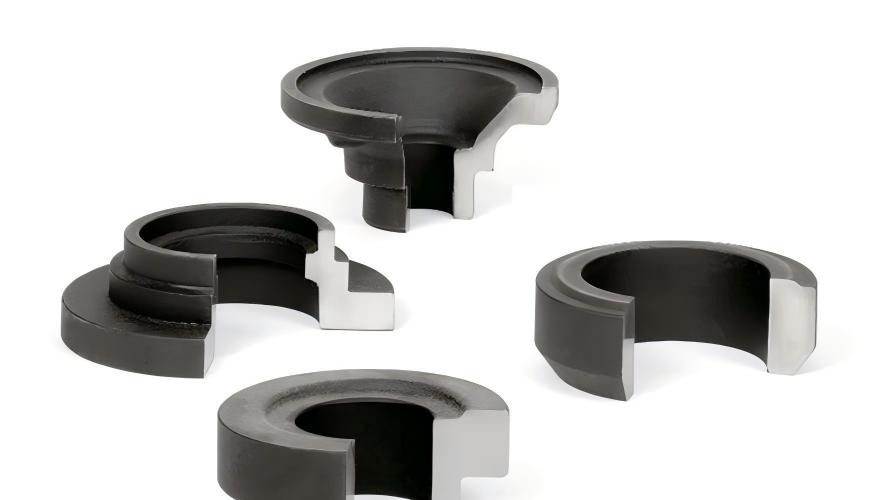
BEV vs. ICE Components: Cold Forming Solutions for Next-Gen Vehicles
The automotive landscape is currently split between the optimization of traditional Internal Combustion Engines (ICE) and the rapid scaling of Battery Electric Vehicles (BEV). Both vehicle platforms rely heavily on cold forming technology, but their specific component requirements vary drastically.
Battery Electric Vehicle (BEV Parts)
The surge in electric vehicles has created a massive wave of new opportunities across the global fastener sector. For BEV manufacturing, the core priorities are cost-effective manufacturing, component weight reduction to maximize battery driving range, and advanced fastening solutions that prioritize electrical connections. Precision cold headers allow manufacturers to produce specialized lightweight aluminum or copper alloy terminal pins, complex busbar fasteners, and hollowed battery pack rivets that ensure reliable electrical conductivity while significantly dropping total vehicle weight.
Internal Combustion Engine (ICE Parts)
Traditional powertrains present a completely different set of mechanical challenges. For the precision production of automotive internal combustion engine parts, machinery must meet extremely tight tolerances and high thermal resistance standards. Components such as specialized cylinder head bolts, high-pressure fuel injector blanks, and engine block fasteners are subjected to relentless internal pressure. Further, specialized multi-station machinery plays an integral role in the high-efficiency production and precise assembly of camshaft lobes (cam lobes), delivering high-precision, low-consumption fastener solutions for modern automotive production engineering.
Heavy-Duty Performance: Engineering Drivetrains and Wheel Hubs
The vehicle drivetrain and wheel assembly systems represent the highest stress environments in automotive engineering, where components are responsible for transferring raw engine torque directly to the road surface.
In the automotive driveline, high-strength fasteners are relied upon to securely connect vital moving parts, including drive shafts, gears, and heavy-duty bearings. Creating these specialized driveline components requires a heavy-tonnage cold forge header machine that can execute multi-stage continuous compression without introducing internal micro-fractures into the metal blank. The continuous mechanical deformation provides the finished drivetrain component with the exact structural geometry and wear resistance needed to survive millions of rapid rotational cycles.
Simultaneously, the manufacturing of rugged wheel and spindle assemblies requires identical levels of uncompromising precision and performance. Wheel hubs must withstand massive multi-directional forces during high-speed cornering and sudden braking maneuvers. Utilizing a multi-station cold forge header machine enables the rapid, automated production of wheel studs and hub bolts from high-strength alloy steels, ensuring that these critical safety components satisfy the stringent technical requirements of the international automotive industry.
| Automotive Application | Core Fastener Type | Common Material Alloys | Primary Mechanical Requirement |
|---|
| BEV Electrical Systems | Terminal pins, busbar bolts, hollow rivets | Copper, aluminum, light alloys | Electrical connection conductivity & lightweighting |
| Internal Combustion Engines | Cylinder head bolts, main bearing capscrews | Medium-carbon steel, alloy steel | High thermal resistance & tight micro-tolerances |
| Drivetrain Assemblies | Drive shaft bolts, differential gear fasteners | High-tensile alloy steels | Extreme torque transmission & fatigue resistance |
| Wheel Hub Units | High-strength wheel studs, spindle components | Chrome-moly steel, carbon steel | High shear yield strength & anti-vibration locking |
Custom Rivet Systems and Flexibilities for Safety Parts and Interiors
Beyond the heavy powertrain and chassis assemblies, modern vehicles utilize thousands of specialized fasteners throughout the passenger cabin, safety systems, and vehicle interior. These components range from specialized airbag housing mounts to subtle dashboard trim clips.
Internal fastening solutions are specifically engineered to ensure excellent long-term durability while maximizing passenger comfort. These systems often range from innovative hole-free solutions to highly customized rivet systems that bind together composite plastics, carbon fibers, and thin sheet metals without causing structural cracking.
Producing these diverse interior components requires an incredibly versatile, high-speed automated forming system. The machine must provide the flexibility and mechanical precision required to easily swap out tooling matrices, allowing a single production line to seamlessly pivot between manufacturing delicate interior rivets and high-strength seatbelt anchor bolts while maintaining absolute zero-defect consistency across massive production volumes.
Evaluating Elite Cold Forming Machine Suppliers for Automotive Supply Chains
Securing a position within the international Tier 1 or Tier 2 automotive supply chain requires more than just making a functional part; it requires a manufacturing process backed by absolute statistical consistency and full traceability. When global manufacturers evaluate potential cold forming machine suppliers, they run rigorous technical audits on equipment performance, quality control systems, and engineering pedigree.
An elite machinery partner must demonstrate long-term innovation and a deep understanding of automotive industry demands. This is where Wenzhou Boyu Machinery Co., Ltd. excels. Operating a massive 40,000-square-meter standardized factory, Boyu is a certified national high-tech enterprise holding key global certifications, including ISO9001, ISO45001, and ISO14001. With over 30 years of continuous equipment innovation, Boyu provides high-precision, low-consumption fastener solutions specifically tailored for modern automotive production engineering.
Boyu machinery utilizes high-strength, vibration-damping machine frames and advanced high-precision servo feeding systems that manage weight control fluctuations within an incredibly tight tolerance of 0.02 grams. For global procurement teams seeking dependable cold forming machine suppliers, Boyu offers complete, high-performance cold forming machines built to survive high-stress, high-volume automotive production. To find the ideal configuration for your facility's next automotive project, you can easily contect to our technical team today to get customized factory floor layouts, tooling advice, and comprehensive equipment quotes.
Conclusion
From the lightweight electrical connectors found in next-generation electric vehicles to the heavy-duty structural hub studs anchoring massive drivetrains, cold heading machinery is an indispensable pillar of modern automotive engineering. Utilizing an advanced, high-tonnage cold forge header machine allows fastener manufacturers to achieve the extreme 65%–90% yield strengths and micron-level tolerances demanded by top automotive brands. By partnering with experienced, internationally certified cold forming machine suppliers who provide rigid mechanical platforms and precise servo feeding automation, factories can future-proof their production floors, eliminate material waste, and successfully capture high-margin contracts within the global automotive supply chain.
Frequently Asked Questions (FAQ)
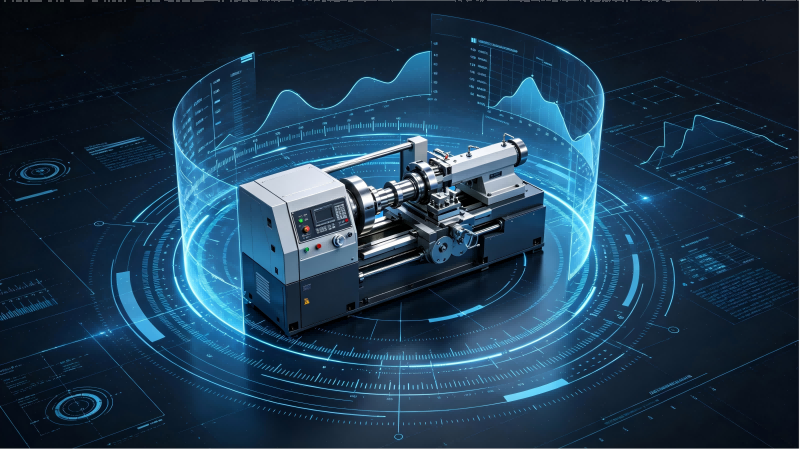
Q1: What makes a cold forge header machine better than a CNC lathe for making automotive bolts?
A cold forge header machine is significantly faster, capable of producing up to 180 to 300 parts per minute compared to a few parts per minute on a CNC lathe. More importantly, cold heading doesn't cut the metal's grain structure, which increases the finished bolt's load-bearing yield strength and fatigue resistance, a critical requirement for high-stress automotive applications.
Q2: Why are copper and aluminum alloys growing in popularity for electric vehicle (BEV) cold forming?
As the automotive sector scales up battery electric vehicle production, manufacturers require cost-effective fasteners that prioritize optimized electrical connections and lightweighting. Copper and aluminum alloys offer fantastic electrical conductivity and low mass, making them ideal for battery pack busbars and internal EV electrical assemblies.
Q3: How do cold forming machine suppliers help automotive factories meet tight IATF 16949 tolerances?
Top-tier cold forming machine suppliers integrate high-strength, rigid machine frames that eliminate structural flexing under high pressures. Combined with high-precision automated servo wire feeding systems, these machines keep part weight control within an exact tolerance of 0.02 grams, preventing the structural and dimensional drift that causes parts to fail automotive quality audits.
Q4: Can a single cold heading machine produce both engine cam lobes and interior safety rivets?
While both components utilize cold forming principles, they require different machine configurations. Heavy automotive components like engine cam lobes or drivetrain bolts require a heavy-duty, long-stroke machine with high tonnage. In contrast, smaller interior rivets or safety parts are typically run on high-speed, short-stroke multi-station cold headers to maximize cycling efficiency and parts-per-minute output.

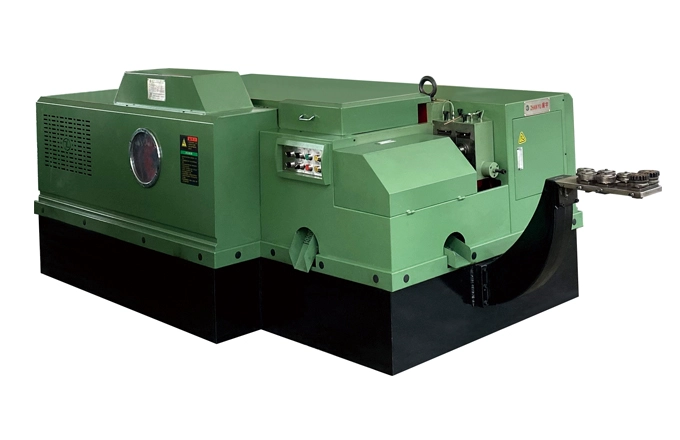
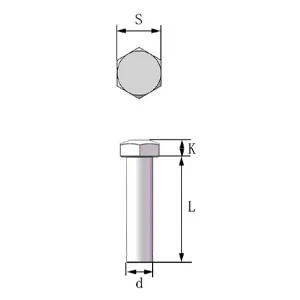
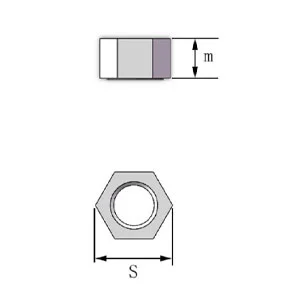 Bolt Cold Heading MachineThe bolt cold heading machine can meet various bolt requirements. It can produce cold-headed bolts with a head width across flats (S) of 9-58mm, a tail diameter (d) of 6-38mm, and a total length (S+L) of 6-500mm, at a production speed of 50-300 pieces per minute.
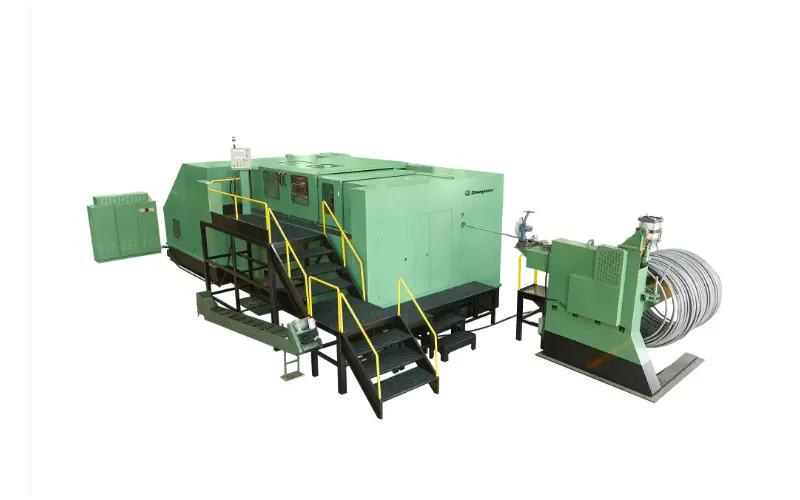
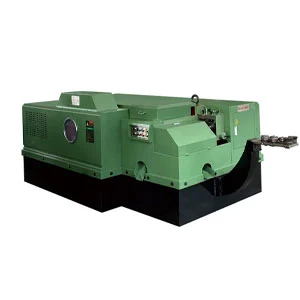
 Parts FormerParts former can meet the requirements for various non-ferrous metal products suitable for cold heading. The maximum outer diameter (S) of the products can reach 8-70mm, and the length (H) can reach 8-500mm, with a production speed of 50-300 pieces per minute.
(1).webp "Parts Former")

 English