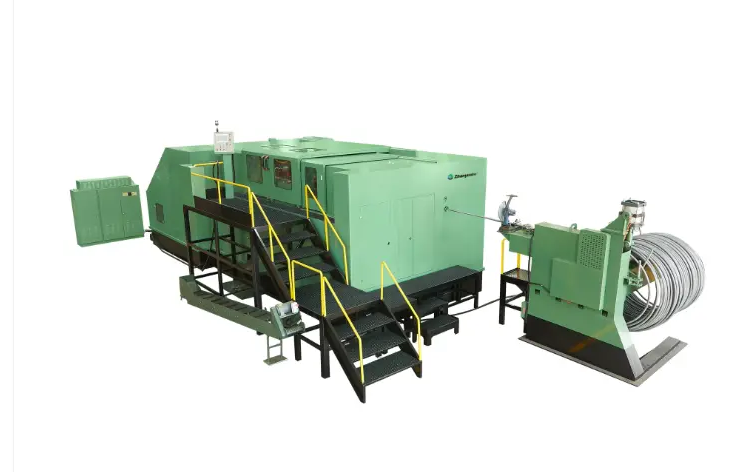
In mass fastener production, tooling and forming dies are the lifeblood of your manufacturing floor. Whether you run a high-speed production facility or are searching for a new heavy-duty cold heading machine for sale to scale up operations, managing tool wear is a critical factor that separates high-margin operations from low-efficiency ones.
During cold forming, the raw metal wire undergoes extreme plastic deformation under immense pressure. This process puts incredible structural stress on your heading dies and punches. For factory owners, production managers, and engineers, maximizing the operational lifespan of these consumables is a direct way to boost profitability. This guide outlines the core reasons tool longevity matters and breaks down five industrial best practices to extend die life on your manufacturing line.
Why Does Tooling Lifespan Matter in Bolt Cold Heading?
Every time a forming die cracks, deforms, or wears out prematurely, your bottom line takes a direct hit. In competitive B2B fastener manufacturing, extending tool longevity is essential for three primary reasons:
Direct Production Cost Reduction: High-grade tungsten carbide and tool steel dies represent a major chunk of your recurring operational overhead. Doubling or tripling the lifespan of each die set slashes your tooling expenses and lowers your total cost per part.
Minimizing Machine Downtime: When a punch breaks or a die wears past its tolerance limits, your entire production line grinds to a halt. The time spent stopping the machinery, waiting for the tool to cool, swapping out the dies, and recalibrating the stroke alignment results in lost capacity that you can never recover.
Ensuring Product Quality and Consistency: Worn dies cause structural drift, leading to surface blemishes, flash lines, or dimensional variances. For industries like automotive and aerospace where parts must meet strict quality standards, even a micro-millimeter deviation can cause a whole batch of fasteners to fail quality audits.
1. Optimize Lubrication System to Reduce Friction and Wear
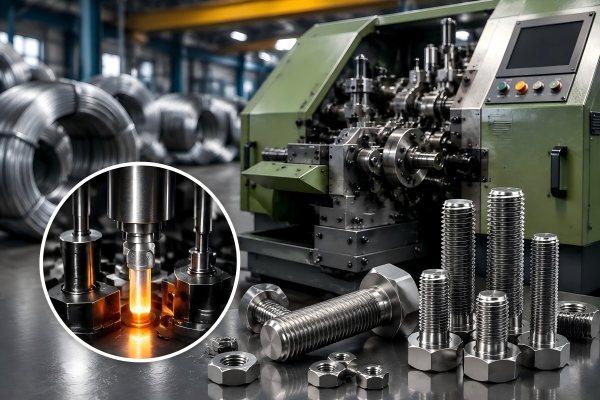
Cold forging forces metal to flow inside a solid die cavity without pre-heating. This generates extreme friction between the blank wire workpiece and the internal walls of the carbide die. Without an optimized, consistent lubrication strategy, this friction leads to rapid abrasive wear and severe metal-to-metal bonding, commonly known as galling.
To protect your tooling, your bolt header machine must be paired with high-performance Extreme Pressure dual-purpose lubrication oils. These lubricants are formulated with specialized additives that create a durable micro-barrier under extreme pressures, preventing direct metal contact.
Further, the oil must be continuously filtered to remove microscopic metal flakes and debris. If these particles are left in the oil stream, they act like sandpaper, scoring the die surface and shortening its lifespan. Implementing an automated, high-volume flood lubrication system ensures that every single strike occurs under ideal friction-reduced conditions.
2. Control Slider Stroke and Minimize Excessive Impact Speed
The kinetic energy delivered by the main slider ram is what shapes the fastener head. However, excessive impact speed or uncalibrated stroke velocity can destroy tough tool steels. When a ram strikes the wire blank too fast, it creates an intense shockwave that can easily crack hard, brittle tungsten carbide components.
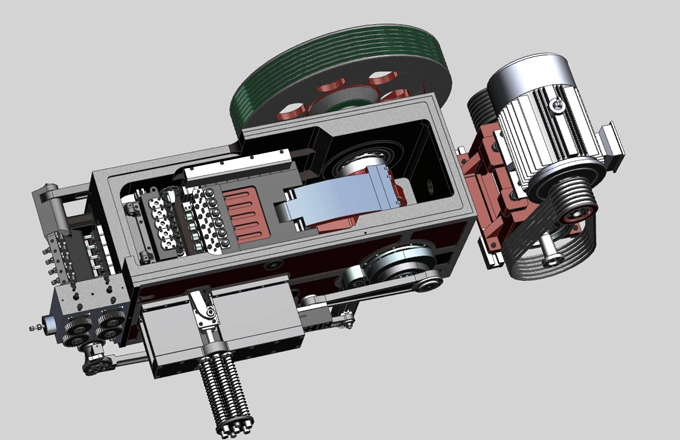
Modern industrial cold forming setups solve this problem through smart mechanical design. If you are browsing a professional cold heading machine for sale, look closely at the machine's frame rigidity and slider kinematics. High-quality machinery utilizes optimized toggle or crank mechanisms paired with precision servo feeding systems to ensure smooth, controlled material displacement.
By carefully adjusting the stroke length and matching the operating cycles to the specific malleability of your wire alloy, you can minimize sudden mechanical shock. This controlled impact approach distributes pressure evenly across the tool matrix, significantly lowering the risk of sudden tooling fractures.
3. Implement Effective Coolant Management to Prevent Thermal Fatigue
While the process is called cold heading because the raw material enters the machine at room temperature, the intense friction and rapid plastic deformation generate substantial localized heat. During high-speed production runs, die core temperatures can quickly climb.
This extreme heat cycle, followed by exposure to ambient oil temperatures, causes thermal fatigue. The constant expansion and contraction create microscopic surface cracks, often called heat checking, which quickly grow into large structural splits.
To counter this, your fluid management system must pull double duty as both a lubricant and an efficient coolant. Maintaining a consistent temperature for your forming fluid helps keep the die block within a stable thermal zone. This stabilizes the tool steel's native rockwell hardness, preventing it from softening and wearing down prematurely under continuous high-stress cycles.
4. Ensure Precision Alignment and High-Gloss Tooling Polishing
Even the toughest die material will fail quickly if the mechanical forces acting upon it are uneven. Minor alignment errors between the moving punch and the stationary die block create a problem called eccentric loading. This uneven pressure concentrates stress on one side of the tool, causing premature chipping, ovaling of the die cavity, and bent fastener shafts.
Regularly auditing the mechanical alignment of your machine's transfer mechanisms and slider pathways is essential. In tandem with precision alignment, the internal finish of your tool cavities should always be maintained at a mirror-like, high-gloss polish.
Polishing minimizes surface micro-roughness, which lowers the physical resistance the metal wire encounters as it expands inside the die. Smoother metal flow means less pressure is required to fill the cavity corners, protecting your tool tips from early fatigue failure.
5. Execute Timely Regrinding and Scheduled Die Maintenance
Many manufacturing plants make the mistake of running their tooling until it completely breaks or cracks. This run-to-failure approach destroys expensive tool holders and can damage other parts of the machine.
Instead, successful factories rely on a structured, preventative maintenance schedule based on part count tracking. After a designated number of production strokes, the tooling should be pulled for close inspection.
When a die shows early signs of minor surface pitting or micro-wear lines, it should undergo precision regrinding and stress-relief tempering. Removing just a fraction of a millimeter of fatigued surface metal restores the structural integrity of the tool cavity, allowing it to go back into production for another long run.
| Maintenance Factor | Run-to-Failure Approach | Preventative Maintenance Best Practice | Impact on Tooling Lifespan |
|---|
| Lubrication | Inconsistent, unfiltered oil | Continuous EP fluid with micro-filtration | Reduces abrasive wear by up to 40% |
| Alignment | Checked only after part defects | Scheduled calibration audits of slider pathways | Eliminates uneven stresses and chipping |
| Die Surface | Left unpolished until worn | Kept at a mirror-like, high-gloss finish | Lowers metal flow resistance and cracking |
| Maintenance | Run until tool shatters | Part-count based micro-regrinding | Extends overall die life by 2 to 3 times |
Why Partner with Boyu Machinery for Reliable Cold Forming Systems?
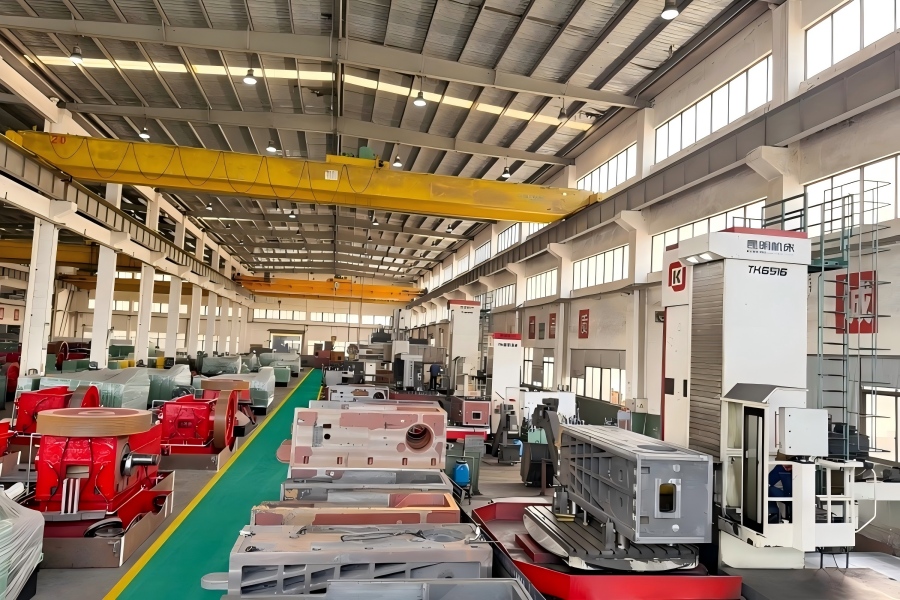
Maximizing your tooling longevity isn't just about maintaining the dies themselves; it requires a highly stable, rigid, and precisely engineered machinery platform. Wenzhou Boyu Machinery Co., Ltd. is a certified national high-tech enterprise that designs top-tier equipment to provide the smooth operating environment your tooling needs to thrive. Operating from a 40,000-square-meter standardized factory, Boyu maintains a leading industry position with an impressive annual sales volume of 1,200 units.
Holding global certifications including ISO9001, ISO45001, and ISO14001, Boyu integrates more than 30 advanced invention and utility model patents into every machine line. Boyu systems feature uniquely engineered high-strength machine frames that damp out structural vibrations, precise automated lubrication setups, and high-precision servo feeding mechanisms that keep weight control within a strict tolerance of 0.02 grams.
Whether you need an elite, long-stroke bolt header machine for manufacturing heavy-duty automotive fasteners or are searching for high-speed automated nut formers, you can explore Boyu’s complete cold forming machine portfolio engineered to match your volume demands. Ready to extend your die life and scale production efficiency? Feel free to reach out to our technical team today for a customized factory floor consultation and a competitive quote on our premium cold heading machine for sale series.
Conclusion
Extending die life in bolt cold heading requires a balanced combination of consistent maintenance, high-quality fluids, and stable operating machinery. By optimizing your extreme-pressure lubrication systems, keeping impact speeds controlled, managing thermal stress, and enforcing strict alignment and polishing schedules, you can dramatically cut your recurring tooling costs and eliminate unscheduled downtime. Investing the time to protect your tooling setup ensures that your production line remains profitable, predictable, and capable of delivering top-quality fasteners to your clients day after day.
Frequently Asked Questions (FAQ)
Q1: What are the most common causes of cold heading die failure?
The most common causes are abrasive wear from insufficient lubrication, thermal cracking due to excessive heat cycling, and sudden chipping or splitting caused by mechanical misalignment or excessive impact shock.
Q2: How often should I pull cold heading dies for maintenance or polishing?
This depends heavily on the fastener material being processed. Hard materials like stainless steel cause faster wear than soft, low-carbon steel. As a general rule, set a preventative maintenance window based on part count tracking (e.g., checking tool status every 100,000 to 200,000 parts) rather than waiting for a total failure.
Q3: Does the rigidity of the bolt header machine body affect how long a die lasts?
Absolutely. If a machine's frame flexes or vibrates excessively under high tonnages, it forces the punch and die slightly out of alignment during the strike. A high-strength, rigid machine frame absorbs these forces cleanly, ensuring uniform pressure distribution and preventing premature tool chipping.
Q4: Can I use standard hydraulic oil for die lubrication in cold heading?
No. Standard hydraulic oils cannot withstand the massive pressures generated during cold extrusion and heading. You must use specialized cold heading lubricants packed with Extreme Pressure additives to maintain a protective fluid barrier between the wire blank and the carbide die walls.

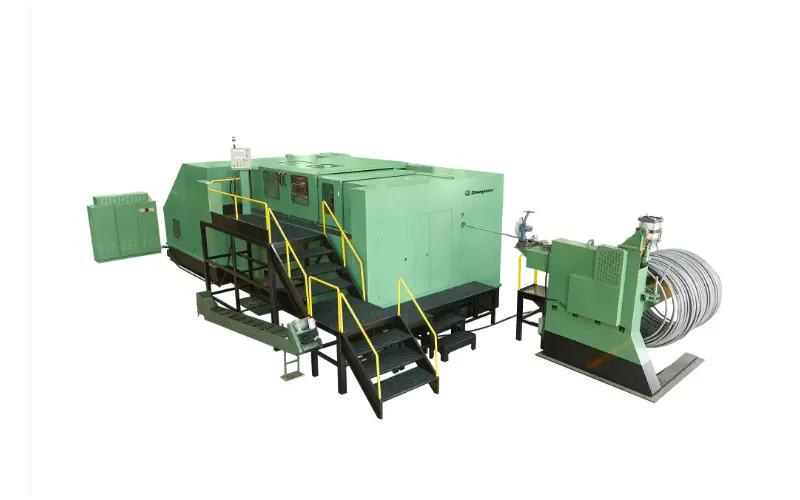
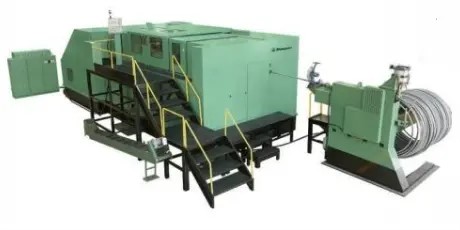
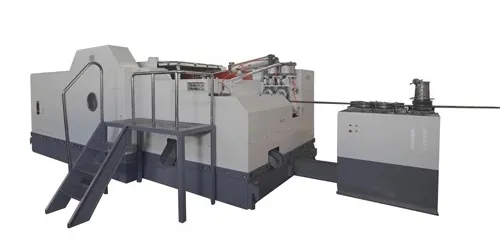
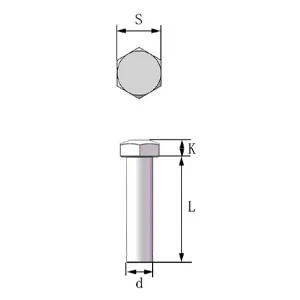
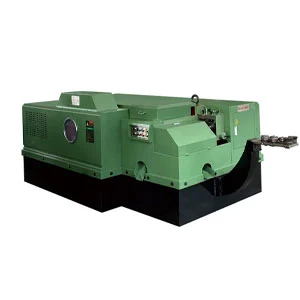
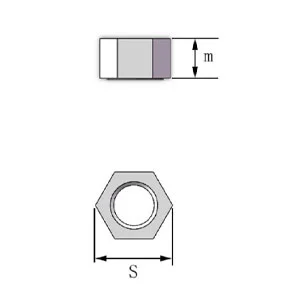 Bolt Cold Heading MachineThe bolt cold heading machine can meet various bolt requirements. It can produce cold-headed bolts with a head width across flats (S) of 9-58mm, a tail diameter (d) of 6-38mm, and a total length (S+L) of 6-500mm, at a production speed of 50-300 pieces per minute.
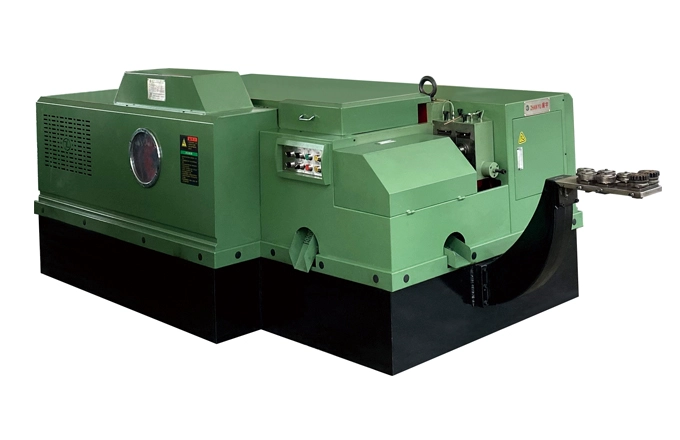
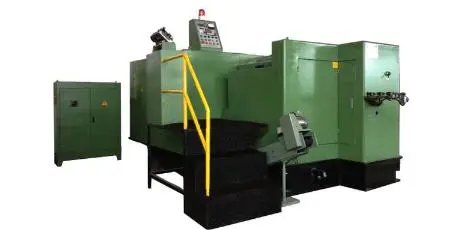
 Parts FormerParts former can meet the requirements for various non-ferrous metal products suitable for cold heading. The maximum outer diameter (S) of the products can reach 8-70mm, and the length (H) can reach 8-500mm, with a production speed of 50-300 pieces per minute.
(1).webp "Parts Former")

 English