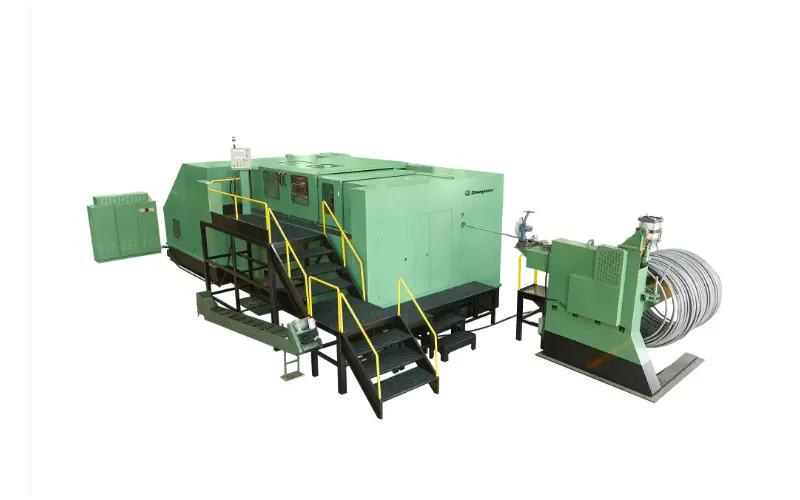
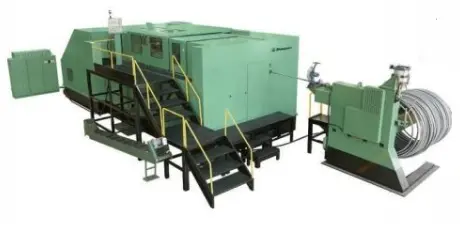
Nuts are small but essential components used in automotive systems, construction equipment, industrial machinery, and many other applications. Although their structure appears simple, producing high-quality nuts requires precise control throughout the manufacturing process. Small variations in dimensions, material flow, or forming accuracy can influence thread performance, assembly reliability, and long-term product durability.
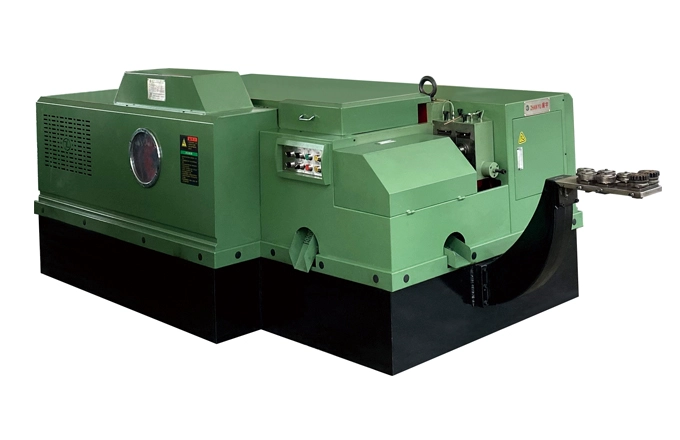
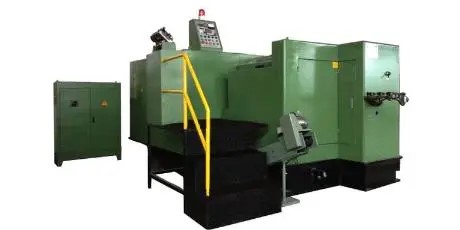
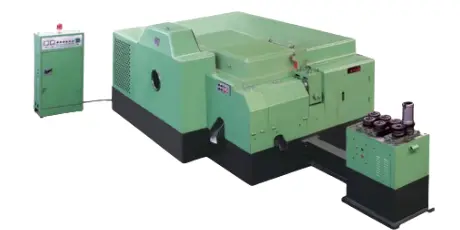
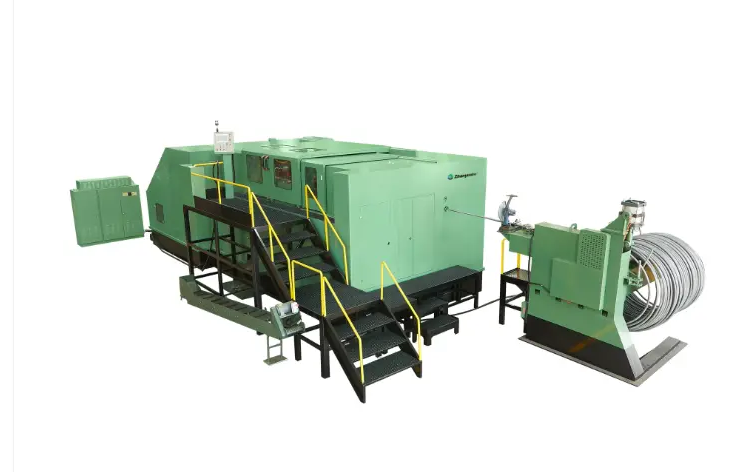
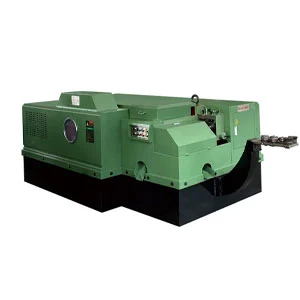
A nut cold heading machine plays a critical role in manufacturing cold-formed nuts by reshaping metal materials through controlled forming processes. Compared with traditional machining methods, cold heading offers advantages such as improved material utilization, higher production efficiency, and better consistency. However, achieving stable results requires accurate equipment performance and effective production management.
For manufacturers producing large quantities of fasteners, maintaining consistent nut quality is an ongoing challenge. Factors including tooling condition, machine precision, raw material characteristics, and production parameters can all affect final product performance. A reliable nut cold forming machine helps manufacturers reduce defects, improve production stability, and maintain consistent output.
This article explains the importance of quality control in cold-formed nut manufacturing, common nut defects and their causes, how machine performance affects production quality, and effective methods for improving results with advanced cold heading equipment.
The Importance of Quality Control in Cold-Formed Nut Manufacturing
Quality control is essential in cold-formed nut manufacturing because nuts must meet strict requirements for dimensions, mechanical strength, and assembly performance. In applications where fasteners are exposed to vibration, pressure, or heavy loads, even minor production variations may affect the reliability of the final connection.
Unlike machining processes that remove material, a nut cold heading machine forms metal through controlled compression and deformation. This requires accurate coordination between forming pressure, material feeding, tooling movement, and machine timing. Any instability during these steps may lead to quality problems.
Effective quality management does not only focus on inspecting finished nuts. It begins with selecting suitable equipment, maintaining proper tooling conditions, monitoring production parameters, and ensuring stable machine operation throughout the manufacturing process.
For modern fastener manufacturers, investing in reliable cold heading equipment is an important step toward improving consistency, reducing waste, and achieving long-term production efficiency.
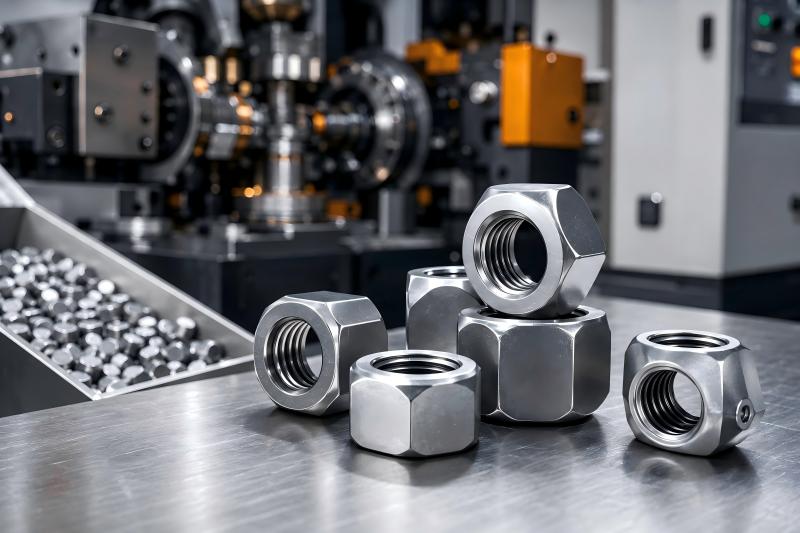
Common Defects in Cold-Formed Nuts and the Factors Behind Them
Although cold heading is an efficient forming technology, improper production conditions can cause different types of defects. Understanding these problems and their causes helps manufacturers improve production processes and select more suitable equipment.
One common issue is dimensional inconsistency. Cold-formed nuts require accurate external dimensions and internal geometry to ensure proper assembly. Variations may occur due to inaccurate feeding, worn tooling, incorrect machine settings, or unstable forming conditions.
Surface defects are another challenge in nut production. Cracks, marks, or uneven surfaces may appear when material flow is not properly controlled or when forming tools experience excessive wear. Since cold forming depends heavily on controlled metal deformation, tooling quality has a direct impact on product appearance and reliability.
Material quality also affects production results. Raw materials with inconsistent mechanical properties may create difficulties during forming and increase the possibility of defects. Proper material preparation combined with stable equipment operation helps improve overall manufacturing consistency.
| Common Nut Defect | Possible Causes | Prevention Method |
|---|
| Dimensional Variation | Incorrect feeding, tooling wear, unstable machine settings | Maintain accurate feeding systems and inspect tooling regularly |
| Surface Cracks or Marks | Poor material flow, damaged dies, excessive forming stress | Optimize forming conditions and maintain tool quality |
| Shape Inconsistency | Machine vibration, poor alignment, unstable operation | Use rigid equipment structures and accurate control systems |
| Production Instability | Frequent adjustments, insufficient maintenance, unsuitable equipment | Select appropriate machines and follow preventive maintenance |
Reducing these defects requires cooperation between process optimization and equipment performance. A high-quality nut cold forming machine provides the stability needed to maintain consistent forming results during continuous production.
How Cold Heading Machine Performance Affects Nut Quality and Production Stability
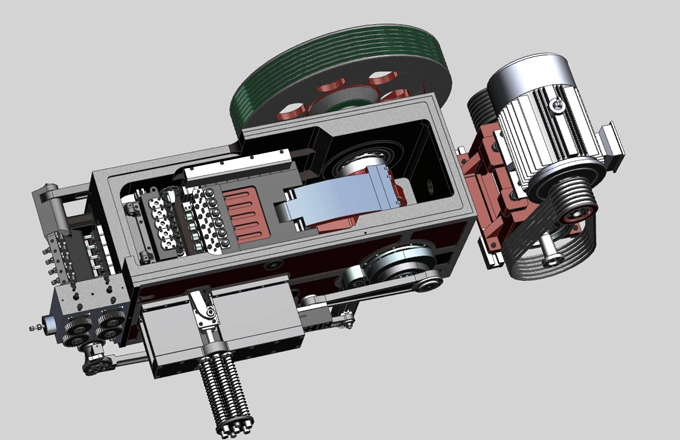
The performance of a nut cold heading machine directly affects the quality and consistency of finished nuts. Because cold heading involves multiple forming operations completed in precise sequences, every major machine component must work together accurately.
Machine rigidity is one of the most important factors. During cold forming, large forces are applied to reshape metal materials. If the machine structure lacks sufficient stability, vibration or alignment problems may occur, affecting product accuracy.
Tooling precision is equally important. Dies and punches determine how material flows during forming. High-quality tooling helps maintain consistent nut shapes, improve surface quality, and reduce production interruptions caused by premature wear.
The feeding system also influences final product quality. Accurate material positioning ensures that each forming cycle receives the correct amount of material, helping manufacturers maintain repeatable production results.
Advanced control systems can further improve production stability by monitoring machine conditions and maintaining consistent operating parameters. For manufacturers producing large volumes of nuts, these capabilities help reduce defects and improve efficiency.
When selecting equipment, manufacturers should evaluate the complete machine system rather than focusing only on production speed. Factors such as nut specifications, forming capability, production requirements, and machine stability all influence the final equipment choice. Boyu Cold Header provides cold heading equipment designed for stable forming performance and efficient fastener production, allowing manufacturers to compare different cold heading machine options based on their production requirements.
Effective Methods to Reduce Defects in Cold Heading Nut Production
Improving nut quality requires a systematic approach that combines suitable equipment, optimized production parameters, and regular maintenance practices. A reliable nut cold heading machine provides the foundation, but proper operation methods are also essential.
Regular tooling inspection is one of the most effective ways to reduce defects. Since dies and punches experience continuous forming pressure, gradual wear can influence product accuracy. Monitoring tooling conditions and replacing damaged components helps maintain stable production.
Optimizing forming parameters is another important step. Production settings should be adjusted according to material characteristics, nut dimensions, and required quality standards. Stable operating conditions reduce variations between individual products.
Preventive maintenance also contributes to better production performance. Regular checks of mechanical components, lubrication systems, and control systems help avoid unexpected downtime and maintain consistent machine operation.
Operator experience should not be overlooked. Well-trained operators can identify abnormal conditions earlier and make timely adjustments to prevent larger quality issues.
Best Practices for Achieving Consistent Nut Quality with Cold Heading Equipment
Consistent nut quality depends on the complete production system rather than a single machine feature. The combination of proper equipment selection, reliable tooling, optimized processes, and effective quality management determines long-term manufacturing performance.
When choosing a nut cold heading machine, manufacturers should evaluate factors such as nut size range, production volume, material requirements, automation level, and future expansion plans. Selecting equipment that matches actual production needs helps avoid unnecessary investment and capacity limitations.
| Evaluation Area | Basic Equipment Approach | High-Performance Cold Heading Solution |
|---|
| Quality Consistency | Suitable for general production requirements | Provides stable forming accuracy for high-volume manufacturing |
| Production Efficiency | May require more manual adjustments | Supports continuous and stable operation |
| Defect Control | Depends more on inspection after production | Improves process stability and reduces variation |
| Long-Term Value | Focuses on basic production needs | Supports scalable manufacturing development |
Supplier experience is also an important consideration when investing in cold heading equipment. A knowledgeable supplier can help manufacturers evaluate machine capability, production requirements, and application conditions before making a purchase decision.
Boyu Cold Header helps manufacturers identify suitable cold heading solutions based on different production goals. Since factors such as nut specifications, production volume, and required accuracy vary between applications, manufacturers can discuss their cold heading requirements with Boyu Cold Header’s technical team to receive guidance on selecting an appropriate machine configuration.
Conclusion
Improving nut quality requires precise control over every stage of the manufacturing process. A reliable nut cold heading machine helps manufacturers achieve consistent dimensions, reduce defects, and improve overall production stability.
From machine rigidity and tooling accuracy to material preparation and preventive maintenance, every factor contributes to the final performance of cold-formed nuts. By selecting suitable cold heading equipment and applying effective production practices, manufacturers can create a more reliable and efficient manufacturing process.
A high-performance nut cold forming machine is not only a production tool but also an important foundation for improving product quality, reducing waste, and supporting future manufacturing growth.
FAQ
1. What is a nut cold heading machine?
A nut cold heading machine is equipment that forms metal materials into nuts through cold forming technology, providing efficient production and consistent quality.
2. What are common defects in cold-formed nuts?
Common defects include dimensional variation, surface cracks, shape inconsistency, and unstable production results caused by tooling, material, or machine issues.
3. How does a nut cold forming machine improve production quality?
It improves quality by providing accurate forming control, stable operation, and repeatable production performance.
4. What factors affect nut cold heading quality?
Important factors include machine precision, tooling condition, material quality, feeding accuracy, and production parameter control.
5. How can manufacturers reduce defects during nut production?
Manufacturers can reduce defects through regular maintenance, tooling inspection, process optimization, and selecting suitable equipment.
6. How should I choose a nut cold heading machine?
Selection should consider nut specifications, production capacity, machine performance, quality requirements, and supplier support.

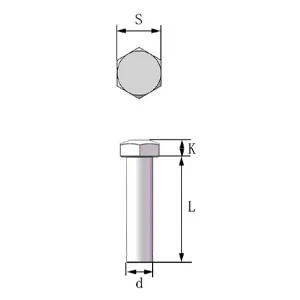
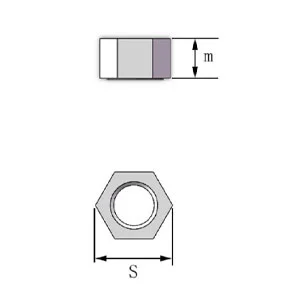 Bolt Cold Heading MachineThe bolt cold heading machine can meet various bolt requirements. It can produce cold-headed bolts with a head width across flats (S) of 9-58mm, a tail diameter (d) of 6-38mm, and a total length (S+L) of 6-500mm, at a production speed of 50-300 pieces per minute.
 Parts FormerParts former can meet the requirements for various non-ferrous metal products suitable for cold heading. The maximum outer diameter (S) of the products can reach 8-70mm, and the length (H) can reach 8-500mm, with a production speed of 50-300 pieces per minute.
(1).webp "Parts Former")

 English