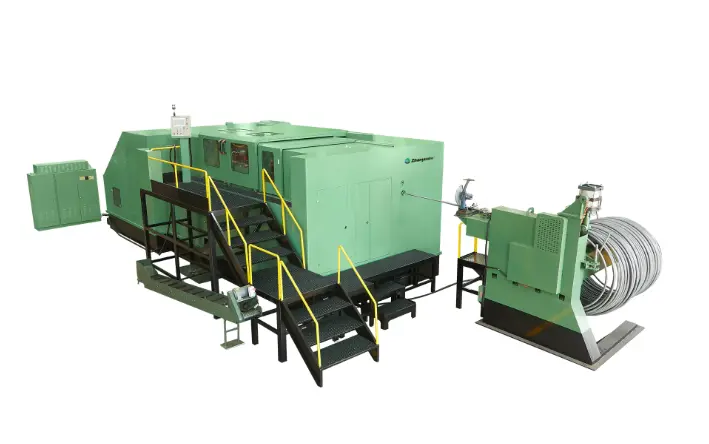
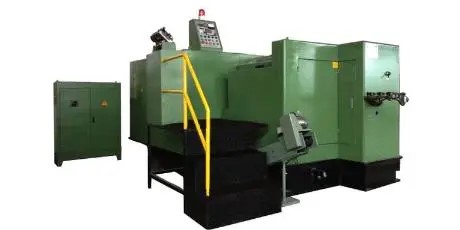
A finished nut may look simple from the outside, but creating a reliable central hole is one of the more demanding parts of the forming process. The hole must be positioned correctly, remain consistent with the outer geometry, and provide a suitable blank for the threading operation that follows.
This is why piercing deserves more attention than simply calling it “the step that makes the hole.” In an automatic nut forming machine, piercing depends on what happened during the earlier forming stages. If the blank has not been centered and preformed correctly, the piercing operation can reveal those errors rather than correct them.
For fastener manufacturers, understanding this relationship is important because poor piercing can affect not only the appearance of the nut blank but also subsequent tapping, dimensional consistency, tooling performance, and production stability.
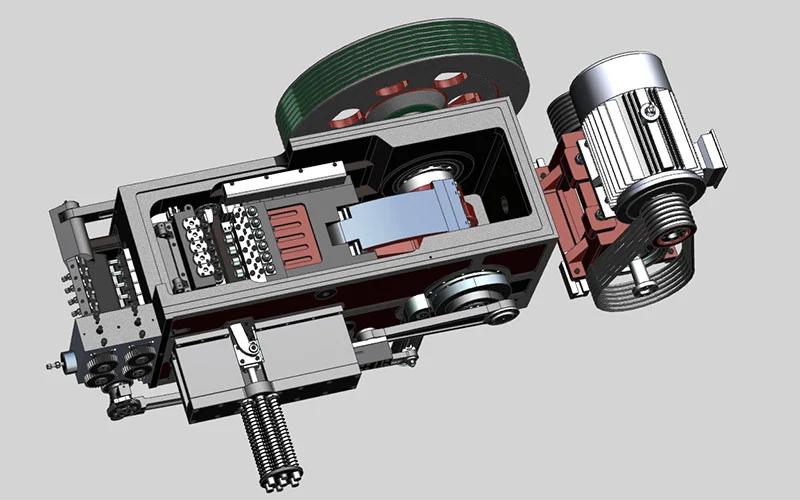
What Does Piercing Do in Automatic Nut Forming?
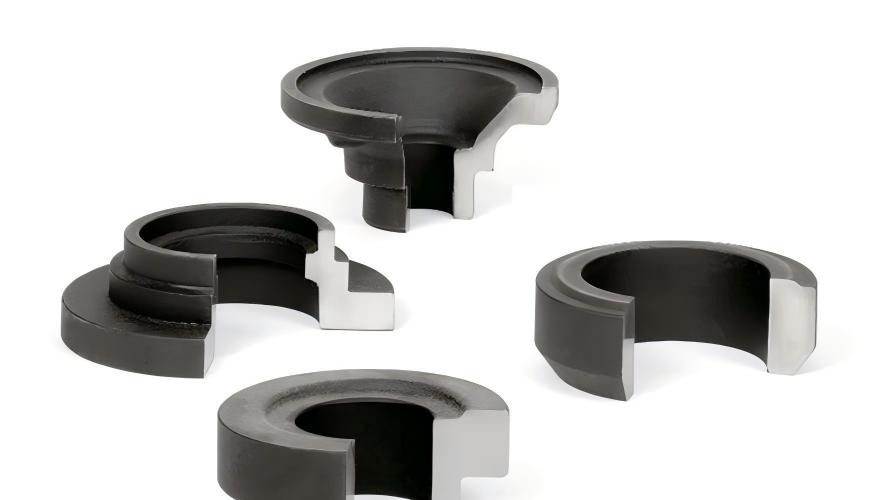
In multi-station nut forming, the internal opening is usually developed through a sequence rather than being created from a solid blank in one uncontrolled step. Earlier stations prepare the material, establish the outer shape, and create the conditions needed for the internal feature. Piercing then opens the material to produce the through-hole required before internal threading.
This distinction matters. The piercing punch is not working on an untouched piece of wire. It is acting on a blank that has already undergone substantial deformation.
The quality of the piercing step therefore depends on the position of the cavity or pilot feature, the distribution of material around the centerline, and the alignment between the workpiece and tooling. A stable automatic nut forming machine must maintain these relationships as the blank transfers from one forming station to the next.
Why Hole Position Matters Before the Nut Is Threaded
The pierced opening becomes the foundation for the nut's internal thread. If that opening is noticeably off-center relative to the outer nut geometry, the problem can carry into the tapping operation.
Threading does not automatically compensate for a poorly positioned blank hole. Instead, the tapping tool has to work with the material that remains around the opening. Uneven wall thickness can make the process less balanced and may affect the consistency of the final threaded component.
This is one reason concentricity is an important process consideration during nut forming. The outer hexagonal profile and the internal opening should develop around a controlled centerline rather than being treated as two unrelated features.
For manufacturers evaluating an automatic nut forming machine, it is therefore useful to look beyond whether the equipment can simply form the external dimensions of the nut. The complete process must also prepare the internal feature accurately enough for reliable downstream threading.
Piercing Quality Is Built in the Earlier Forming Stations
A common mistake is to treat piercing problems as if they originate only at the piercing station. In practice, the cause may appear much earlier in the process.
Before piercing, the blank needs to be shaped so that the material around the intended hole is reasonably balanced. Preforming can establish the center, control material flow, and prepare the workpiece for later internal forming. If this preparation is inconsistent, the piercing punch may enter a workpiece that is already poorly centered.
The result is an important process principle: good piercing begins before the piercing punch contacts the nut.
Multi-station forming makes this possible because deformation can be distributed across successive operations. Instead of asking one tool to create the external nut shape and internal opening at once, each stage prepares the workpiece for the next operation.
| Process Area | Why It Matters to Piercing | Possible Result if Unstable |
|---|
| Blank centering | Establishes the hole position | Off-center opening |
| Preforming | Controls material distribution | Uneven wall around the hole |
| Workpiece transfer | Maintains position between stations | Punch misalignment |
| Piercing tooling | Creates the final through-hole | Burrs or inconsistent hole quality |
The exact forming sequence varies with nut design, so the table should be treated as a process guide rather than a fixed station layout.
How Misalignment Shows Up During Nut Piercing
When the workpiece and piercing tool are not properly aligned, the punch may not enter the prepared center as intended. This can produce an opening that is displaced from the outer profile or leave uneven material around the hole.
The problem can also show up around the pierced edge. If the material separates unevenly, burr formation may become more difficult to control. In severe cases, the load on the piercing tool may also become less balanced.
For continuous production, small alignment errors matter because they repeat. A single acceptable sample does not demonstrate that the process will remain stable over a long production run. The real objective is repeatability: each blank should arrive at the piercing position in a consistent orientation and location.
This is why the transfer and clamping behavior of an automatic nut forming machine should be viewed as part of the piercing process rather than as separate mechanical functions.
Why Turning the Nut Blank Can Be Important
Nut forming differs from simple one-direction heading because both sides of the component may need to be developed during the process. Depending on the nut geometry and tooling sequence, the workpiece may be turned between forming stages so that different faces can be formed in the required order.
This makes transfer accuracy especially important. Once a workpiece is turned, it must still be presented correctly to the following die and punch. A process that loses control of orientation can create problems when the subsequent station relies on an accurately positioned cavity or preformed feature.
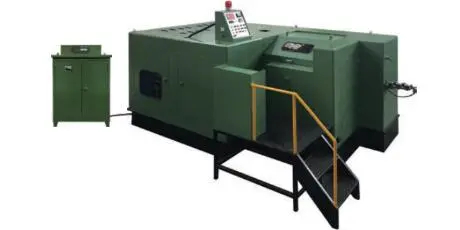
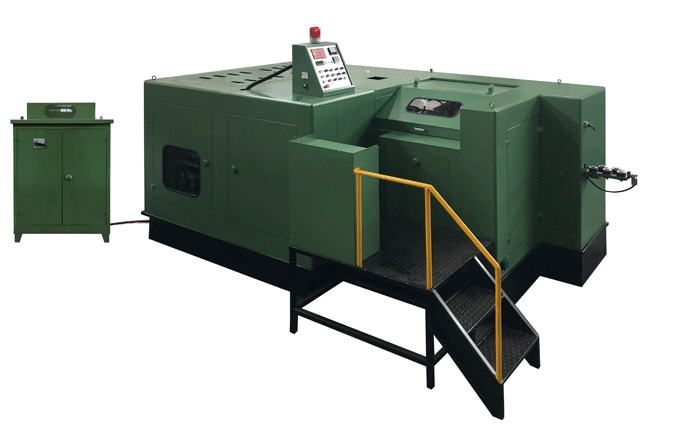
BOYU's multi-station nut forming approach is designed around progressive deformation rather than forcing the complete nut geometry into a single operation. Buyers reviewing the company's cold forming machine range can therefore consider not only machine capacity, but also how the forming sequence supports the target nut geometry.
Material Flow Also Affects the Internal Hole
Piercing is closely related to how material has flowed during previous deformation. If too much material accumulates on one side of the intended opening, the punch encounters an uneven condition. If the preform is poorly developed, the final hole may require more difficult material separation.
Material properties and lubrication can also influence the way the workpiece responds under cold forming pressure. For this reason, a successful process should be developed using the actual material intended for production rather than assuming that every grade will behave identically.
This is especially important when manufacturers move from a familiar standard nut to a new geometry or material. A machine may have sufficient nominal forming capacity, but tooling design and process sequence still have to be matched to the component.
Piercing Should Be Evaluated Together With Tapping
The nut blank is not the end product. After forming and piercing, the internal hole generally has to support the following threading operation.
That means piercing quality should be judged partly by what happens next. A hole that looks acceptable visually may still create difficulties if its position, internal condition, or remaining wall distribution is unsuitable for stable tapping.
Manufacturers should therefore avoid optimizing the forming machine and tapping process independently. The better approach is to consider the transition between them. The nut former should produce a consistent blank that gives the next operation a predictable starting condition.
For high-volume production, this connection can be particularly important. A small inconsistency created during cold forming may become a recurring issue when thousands of blanks move into the next process.
What Should Buyers Check When Evaluating an Automatic Nut Forming Machine?
Machine evaluation should begin with the actual nut drawing. The supplier needs to understand where the internal opening sits relative to the outer geometry and how the component is expected to develop through successive forming stages.
A useful machine trial should therefore focus on more than whether the equipment can produce a recognizable nut blank. Buyers should examine whether the hole position remains consistent, whether the material around the opening is balanced, and whether the formed blank is suitable for the intended downstream threading process.
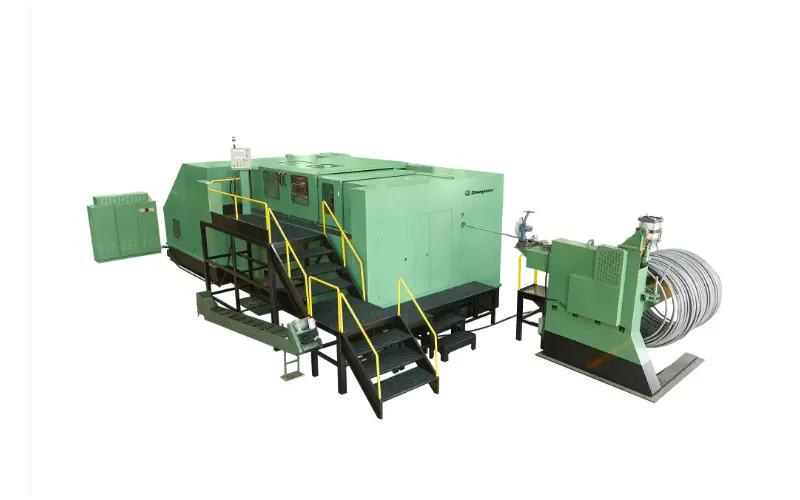
BOYU Machinery develops multi-station nut forming equipment for automated fastener production. When the target nut has demanding internal or external geometry, reviewing the component and forming route before machine selection provides a stronger basis than selecting equipment from nominal size alone.
If you are planning a new nut production project, you can send BOYU your part drawing and production requirements through the contact page for a machine and forming-process review.
Conclusion
Piercing is one of the most critical steps in automatic nut forming because it connects the cold-forming process with the internal threading operation that follows.
The final hole depends on much more than the piercing punch itself. Blank centering, preforming, material flow, transfer accuracy, and tooling alignment all influence whether the opening is created in the correct position and with a consistent surrounding wall.
For this reason, an automatic nut forming machine should not be evaluated only by production speed or the external nut sizes it can form. The machine and tooling sequence must also create a reliable internal feature that supports the next manufacturing step.
When piercing is treated as part of the complete forming route rather than an isolated final action, manufacturers have a better foundation for stable nut production and consistent downstream processing.
FAQs
Is the nut hole formed completely during the piercing step?
Not always. Earlier forming stages may prepare a cavity or pilot feature before the final piercing operation creates the through-hole.
Why does concentricity matter when piercing a nut blank?
Good concentricity helps keep the internal opening properly positioned relative to the outer nut geometry and provides a more consistent blank for threading.
Can poor preforming cause piercing problems?
Yes. If material is not distributed or centered correctly before piercing, the final hole can become uneven or displaced even when the piercing tool itself is in good condition.
What information should I provide when selecting an automatic nut forming machine?
Provide the nut drawing, production material, and expected output requirements. These allow the supplier to review the forming sequence and determine whether the proposed machine and tooling are suitable.

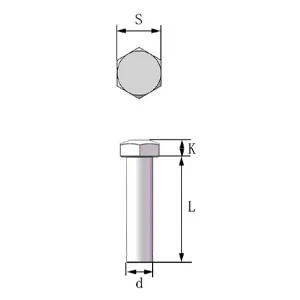
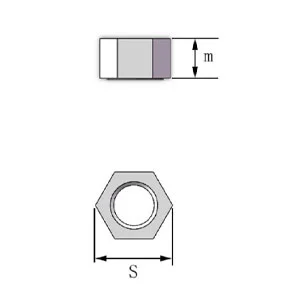 Bolt Cold Heading MachineThe bolt cold heading machine can meet various bolt requirements. It can produce cold-headed bolts with a head width across flats (S) of 9-58mm, a tail diameter (d) of 6-38mm, and a total length (S+L) of 6-500mm, at a production speed of 50-300 pieces per minute.
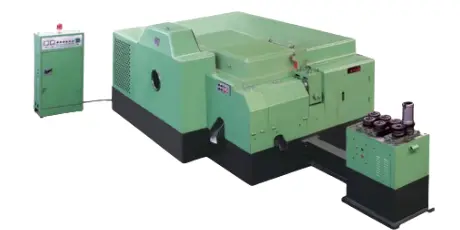
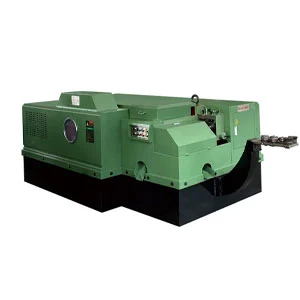
 Parts FormerParts former can meet the requirements for various non-ferrous metal products suitable for cold heading. The maximum outer diameter (S) of the products can reach 8-70mm, and the length (H) can reach 8-500mm, with a production speed of 50-300 pieces per minute.
(1).webp "Parts Former")

 English