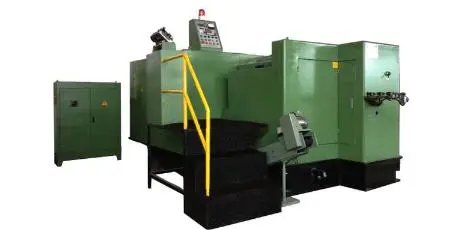
Choosing the number of dies and blows is not simply a matter of buying the machine with the highest station count. In bolt cold heading, each forming step must move the material toward the final geometry without creating excessive strain, unstable transfer, or unnecessary tooling complexity.
For a simple bolt blank, fewer forming steps may be enough. A bolt with a larger head-to-shank ratio, flange, shoulder, or more demanding transition may need the material to be redistributed more gradually. That is why the right bolt heading machine should be selected around the actual part and forming sequence rather than a rule such as “more dies are always better.”
What Do “Dies” and “Blows” Mean in Bolt Heading?
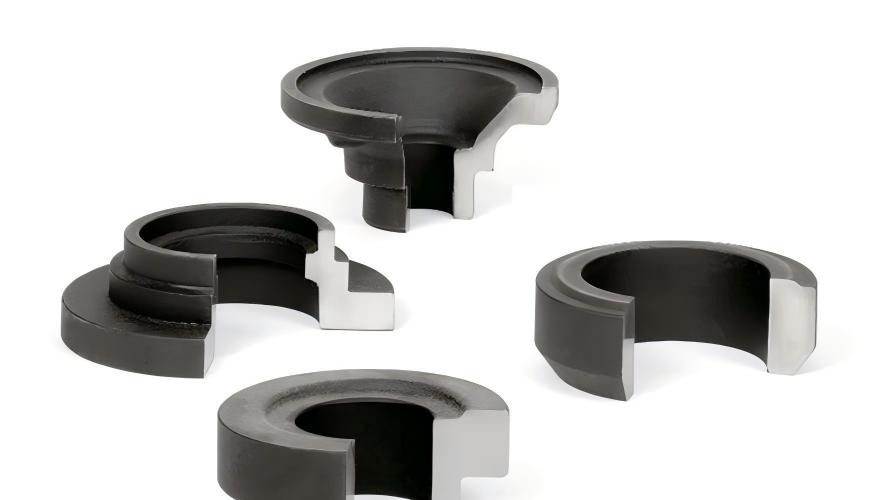
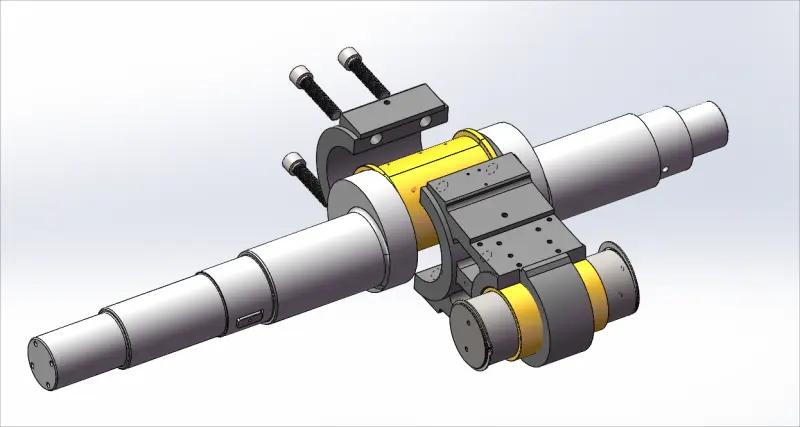
A die supports and shapes the workpiece during a forming stage, while a blow refers to a forming action applied by the punch. These terms appear in machine configurations such as three-die three-blow and four-die four-blow.
In progressive cold forming, wire is cut into a blank and reshaped step by step. Each stage gives the process another opportunity to control metal flow before the bolt reaches its final headed shape.
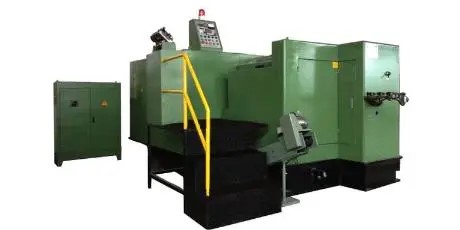
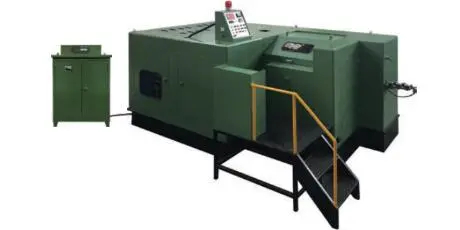
For BOYU’s current bolt equipment, the main product route includes three-die three-blow and four-die four-blow forming machines.
The key question is therefore not simply how many dies a machine has. It is whether the available forming stages match the amount and direction of material movement required by the bolt.
Why a Simple Bolt May Need Fewer Forming Stages
A straightforward bolt head can often be created with fewer intermediate shapes because the material does not have to pass through as many geometric changes. If the upset volume is moderate and the transition from shank to head is uncomplicated, the heading sequence can remain relatively direct.
The goal is not to minimize blows at any cost. Too few stages may force excessive material movement into one operation, while unnecessary stages add tooling and setup complexity.
A suitable bolt heading machine needs enough forming control to produce the required geometry consistently without overcomplicating the process.
When Three-Die Three-Blow Forming Makes Sense
A three-die three-blow arrangement gives the process several progressive opportunities to prepare and finish the bolt head. Instead of creating the final shape immediately, the blank can be preformed before later stages refine the geometry.
This can suit bolts that need controlled material distribution without a more complicated forming route. The exact sequence still depends on the drawing, because similar-sized bolts may require different preforms.
For this reason, “three dies” should not be treated as a bolt-size category. It describes the process structure, not a universal rule for which bolts can be made.
When Four-Die Four-Blow Forming Becomes Useful
Moving to four dies and four blows provides an additional forming stage. That extra stage can be useful when metal needs to be redistributed more gradually or when the bolt contains features that are difficult to form reliably in fewer steps.
A fourth stage may be considered for more demanding head geometry, larger cross-section changes, or forming routes that benefit from another preform before final sizing. It gives process engineers more flexibility in controlling how the material flows through the tooling.
| Part or Process Situation | Likely Direction | Main Reason |
|---|
| Simple bolt geometry | Fewer stages may be sufficient | Shorter forming route |
| Large material redistribution | More progressive stages may help | Lower strain per operation |
| Complex head or transition | Extra die or blow may be useful | Better metal-flow control |
| Several bolt families | Evaluate machine flexibility | Tooling and changeover matter |
This table is a selection guide rather than a fixed rule. Final configuration should be based on the actual component and forming study.
Bolt Geometry Matters More Than the Fastener Name
Calling a part a “hex bolt” or “flange bolt” is not enough to choose a machine. The real forming challenge depends on how much material must move, where it must move, and how sharply the cross-section changes during heading.
A larger head relative to the wire diameter requires more material displacement, while flanges, shoulders, or unusual transitions can make the route more demanding. Long bolts also require reliable handling and sufficient stroke.
BOYU positions its bolt forming equipment for bolt-type fasteners and specifically uses a long-stroke design for longer bolt production. Buyers comparing options in the company’s cold heading machine product range should therefore begin with the intended bolt drawing rather than selecting by model name alone.
Material Can Change the Required Forming Route
The same bolt geometry does not always behave the same way in every material. Cold heading depends on the material flowing plastically under high compressive force without unacceptable cracking or damage.
Material condition and lubrication influence how easily the blank fills the tooling. A sequence that works with one material may place more strain on another.
This is why statements such as “this bolt size always needs three dies” are too simplistic. The bolt heading machine, tooling design, and actual production material need to be evaluated together.
The practical objective is to distribute deformation across the forming sequence so that each operation prepares the blank for the next one. If too much shape change is concentrated in one stage, the process may become harder to stabilize even when the machine has sufficient nominal capacity.
More Dies and Blows Do Not Automatically Mean Better Production
A higher station count is not automatically the safer choice. Every extra stage adds tooling, setup work, and another operation that must remain synchronized.
The better question is: What is the shortest practical forming sequence that can produce the bolt reliably?
A good process distributes deformation where it is needed without adding stages that contribute little value. For factories producing several bolt sizes, flexibility and changeover requirements can be as important as maximum forming complexity.
This distinction also matters commercially. Buying a more complex machine than the product range requires can add tooling and setup demands. Choosing too little forming capability, however, may restrict future parts or force an unsuitable forming route. Machine selection should therefore reflect the bolts a factory actually intends to produce.
What Should You Provide Before Selecting a Bolt Heading Machine?
A supplier can make a much more useful recommendation when the discussion starts with the part rather than only with a requested die-and-blow count.
The bolt drawing should be the starting point because it defines the head form, shank dimensions, transitions, and overall geometry. Material information and production requirements then help determine whether the proposed forming route is practical.
If the bolt is unusually long, has a large head-to-shank ratio, or includes a feature that may need progressive preforming, identify that early. The supplier can then review whether a three-die three-blow machine is suitable or whether a four-die four-blow route offers a better process.
BOYU Machinery develops multi-station cold heading equipment for bolt production. Instead of recommending a configuration only from a bolt name or basic size, the machine can be assessed around the intended part and production requirements.
For a project-specific review, send your bolt drawing and production information through the BOYU contact page.
Conclusion
So, how many dies and blows does a bolt heading machine need? There is no single number that fits every bolt.
Simpler bolts can use shorter forming routes, while more demanding geometry may benefit from additional progressive stages. Three-die three-blow and four-die four-blow machines provide different levels of forming flexibility, but the drawing, material, and forming sequence remain the deciding factors.
For buyers, die and blow count should not be treated as an isolated machine specification. Start with the part that needs to be manufactured, determine how the material must move to form it, and then match the machine and tooling to that process. This provides a much stronger basis for stable production than simply choosing the machine with more forming stages.
FAQs
Is a four-die four-blow machine always better than a three-die three-blow machine?
No. It provides an additional forming stage, but a simpler bolt may not need it. The best configuration is the one that achieves stable forming without unnecessary complexity.
Can the same bolt heading machine produce different bolt sizes?
Often yes, within the machine’s designed capacity. Different bolt sizes normally require suitable tooling and setup changes, so the intended product range should be considered before machine selection.
Does bolt length determine the number of dies and blows?
Not by itself. Bolt length affects handling and stroke requirements, while die-and-blow count is mainly determined by the forming work needed to create the required geometry.
What should I send before asking for a bolt heading machine recommendation?
Send the bolt drawing, material specification, and expected production requirement. These give the supplier a stronger basis for reviewing the forming sequence and recommending an appropriate machine configuration.

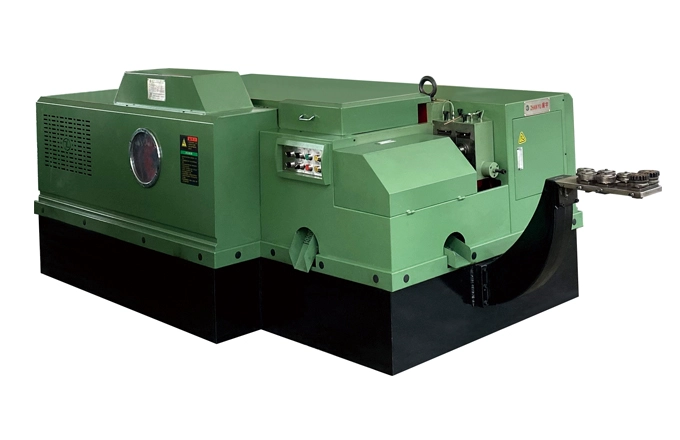
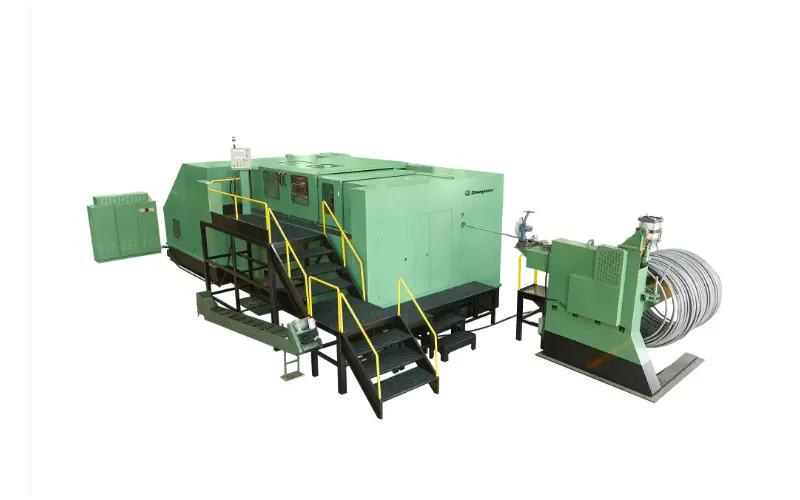
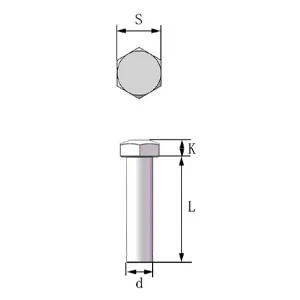
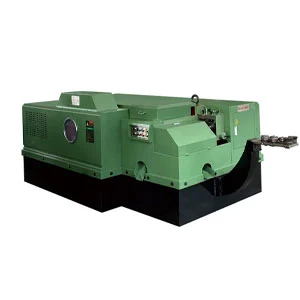
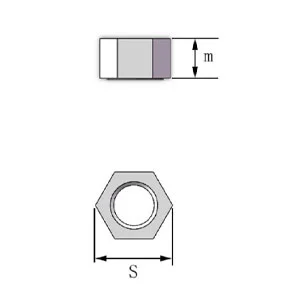 Bolt Cold Heading MachineThe bolt cold heading machine can meet various bolt requirements. It can produce cold-headed bolts with a head width across flats (S) of 9-58mm, a tail diameter (d) of 6-38mm, and a total length (S+L) of 6-500mm, at a production speed of 50-300 pieces per minute.
 Parts FormerParts former can meet the requirements for various non-ferrous metal products suitable for cold heading. The maximum outer diameter (S) of the products can reach 8-70mm, and the length (H) can reach 8-500mm, with a production speed of 50-300 pieces per minute.
(1).webp "Parts Former")

 English